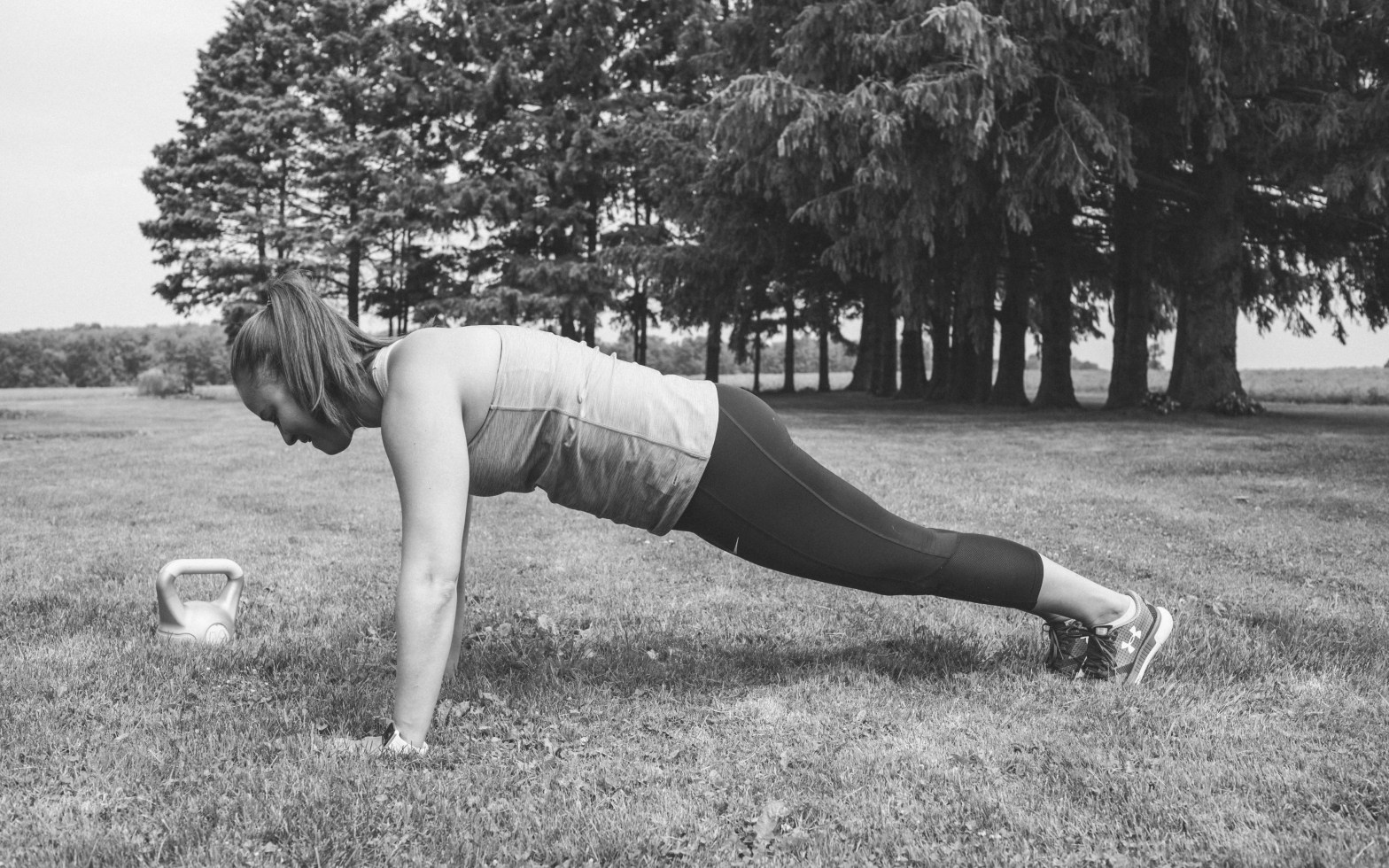
As more and more research becomes available about the health benefits of exercise during pregnancy we find more people becoming active during their pregnancies. But have you ever stopped to think about how you can prepare your body before you even start trying to have kiddos? Pregnancy, childbirth and motherhood can mimic athletic events in a lot of ways, so doesn’t it make sense to prepare for it as such?
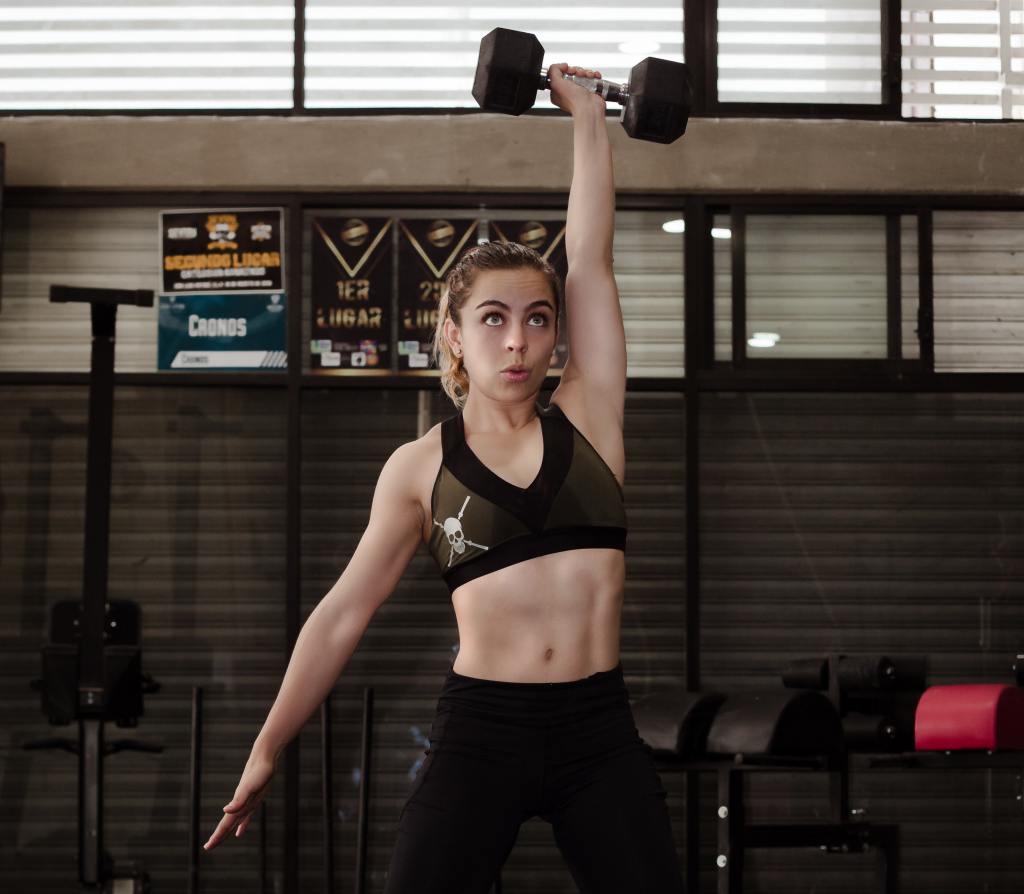
Being strong is a critical part of a healthy pregnancy and nutrition, exercise and self-care are all important components of preconception. It’s important to start thinking of your body as the environment that your baby will grow in. Everything that your body experiences will also affect your baby so you want this “house” to be as healthy and strong as possible. We will talk about exercise during pregnancy next week, but it’s important to note that during pregnancy the biggest goal is to maintain what you have instead of building on it (whether that is building muscle, losing body fat, ect). This makes preconception a great time to gain strength, build muscle and improve body composition.
When considering a preconception exercise program we want to be sure to include components that will help improve posture and alignment, increase strength and lean muscle, prepare the core and pelvic floor and develop a strong aerobic foundation all while not over-stressing the body.
To start, it’s important to note that there is no such thing as “perfect” posture. In the past you have likely been told to sit up straight and tall but the best posture for the human body at any point in life (pregnant or not) is actually movement. Varying your movement throughout the day and spending time in different positions including standing, sitting, squatting, kneeling, ect will actually likely make you feel better than just sitting up straight and tall. With that being said when we refer to good posture and alignment in a preconception exercise program we are looking for the rib cage to be stacked over the hips and the diaphragm stacked over the pelvic floor. Being familiar with this posture prior to pregnancy will help you during pregnancy and beyond to work in this posture comfortably. Also remember that good posture should be relatively relaxed and it should not be exhausting and draining on your muscles.

The next thing that we want to focus on preconception is having strong balanced muscles and good overall stability. This will help to relieve stress on your tendons, ligaments and joints as your belly grows during pregnancy. Because building muscle takes time, this is a major focus of your preconception training program. Placing the emphasis on strength training during this phase will give you an opportunity to focus on building lean muscle mass and strength without any pregnancy symptoms affecting this process. Pay particular attention to muscles of the upper back, anterior core and posterior chain (muscles on the back of your body). A strong upper back will help to support your breasts as they grow throughout pregnancy and beyond. A strong core will help you carry the increasing weight as the baby grows and a strong posterior chain (with a large emphasis on glutes) can help to counterbalance the growing weight in the abdomen and the anterior pelvis shift. Building strength prior to pregnancy will also help you during your postpartum phase as caring for a baby requires some strength. You will be carrying the baby, diaper bags, carseats, strollers, ect along with all the typical errands and housework you would have been doing before baby. If you already have kids at home, then these little ones will be in the mix too. Strength is an important part of everyday life and it is especially important when preparing for a pregnancy to ensure you are the strongest, healthiest version of yourself.
Developing a healthy body composition pre-pregnancy can help to manage insulin responses in a healthy way and MAY reduce the risk of infertility or gestational diabetes during pregnancy. Strength training is a great way to increase your lean muscle mass and help develop this healthy body composition.
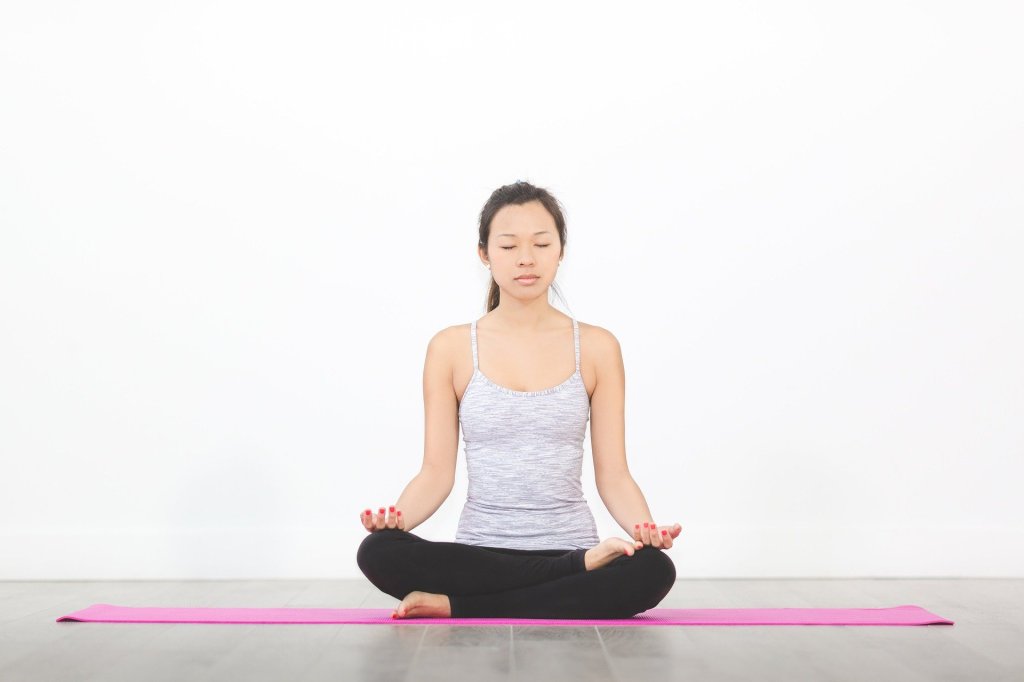
Strengthening your core and pelvic floor musculature during your preconception phase will help you feel stronger and more supported during strength training and daily activities while pregnant and postpartum. It may also reduce your risk of pelvic floor dysfunction, incontinence and pelvic organ prolapse during the postpartum phase of your motherhood journey.
Finally your aerobic (cardio-respiratory) fitness is important to develop in preparation for pregnancy. Once your are pregnant your heart and lungs are responsible for providing oxygen and nutrients to not one but two humans so ensuring this system is as strong as possible pre-conception is key. Improving your aerobic fitness can also increase your body’s ability to handle both the physiological and psychological stress that may come with trying to conceive and with pregnancy. Good aerobic fitness has also been linked to better quality sleep and workout recovery.
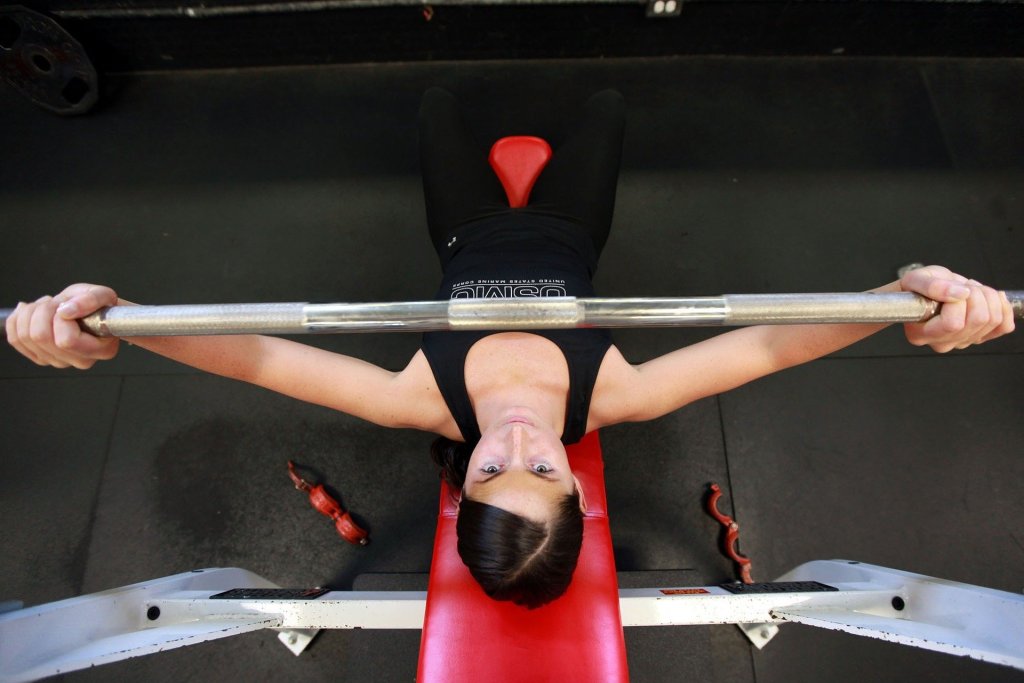
In general it is recommended that women who are trying to conceive aim for 2-4 strength training sessions per week with 1-2 moderate intensity cardio sessions per week. Women who have been training consistently already may include 1-2 high intensity interval sessions per week as well. It is important when training pre-conception that you are not over training and forcing too much stress on the body. The goal of this training phase is support both your training goals as well as the goal of conception. Some signs that you may be over training can include; more post exercise muscle soreness than usual, post exercise muscle soreness that lasts longer than usual, a lack of motivation to exercise, a major change in appetite (usually a decrease), a decrease in leanness (despite not changing your nutrition and exercise program), a decrease in overall strength or performance (for several workouts in a row), and/or bouts of mild depression, fatigue or irritability. There is a sweet spot when it comes to stress and conception. Remember that we want to provide the body with stress (exercise is a stress after all) as we want to force improvements in strength and aerobic fitness. But we do not want to over stress the body as this could negatively impact both recovery and fertility. Watch for the signs of over training and if you feel like you may be over doing it cut back and see how your body reacts. Fitness is intended to help you on this journey but it does have the potential to hinder so be aware of the signs and be sure to tune into your body and listen if something doesn’t feel right.
During your pre-conception training phase you have the opportunity to develop a strong, healthy and balanced physical and mental environment for your future kiddos. During this phase you can train as intensely as needed without having to make any special modifications to your programming. Focus on mastering proper lifting form, increasing your body awareness and laying the foundation for proper alignment and muscle tone (specifically of the pelvic floor). Preparing to conceive can be an exciting time for you and your partner and exercise can be a healthy part of this phase.
If you are looking for pre-pregnancy training program options please contact me and we can get started today. I am now offering one-on-one virtual training sessions. Spots are limited so don’t miss out on this opportunity today!
 ashleepedlowcoaching.ca
Thank you for sharing!
LikeLike