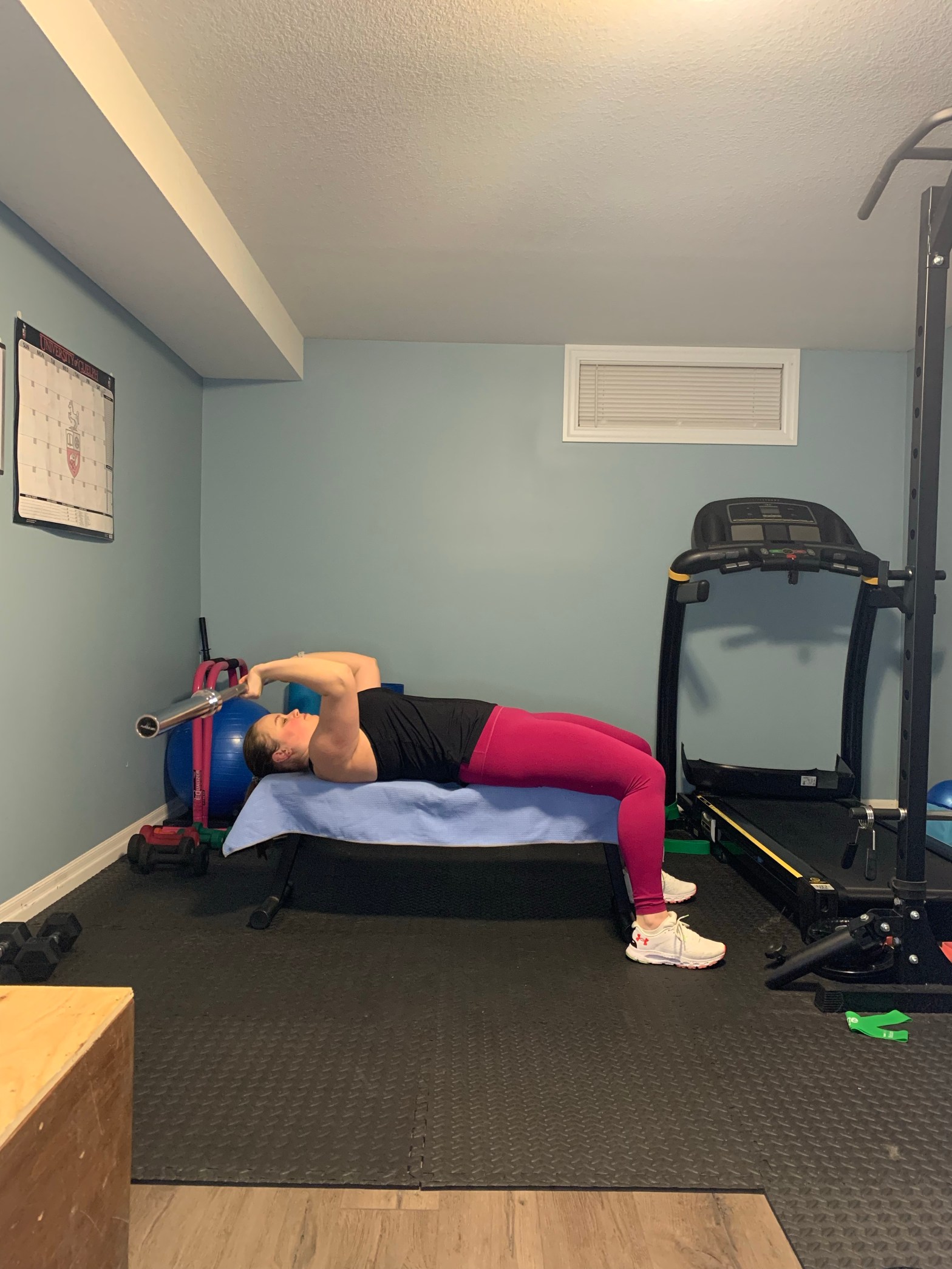
We talk about lifting weights and the benefits that come with that for our health, but do you know the differences between training for strength and training for hypertrophy? They are subtle, but they do exist. Research suggests differences, however, it can be difficult to apply these points to every person both male and female as there are many other things in our lives that affect our training as well. If you aren’t getting enough sleep or fueling your body well, what I’m about to highlight today will only get you so far. It’s important to remember to look at our health and fitness with a holistic perspective.
Hypertrophy Training
Hypertrophy is a fancy word used to describe building muscle or making the muscles bigger in size. You will sometimes hear the word “toning” thrown around as well (it’s a favourite for females), but essentially toning is building muscle (along with losing body fat) to make the muscles more visible and defined…in other words, it’s hypertrophy training. When we are trying to make our muscles bigger the biggest thing we want to consider is training to failure (or very close to failure). This means that you want to be tiring the muscles out. You want to be training in a range of 10 reps or more and you should be using enough weight that in 10-15 reps (roughly) that you are tiring the muscle out so that couldn’t complete many more reps. Ideally, with hypertrophy training, we want to complete at least 3 training sessions per week and make sure that we are getting enough protein. Protein is what our body uses in order to help build our muscles up stronger after we tear them by lifting weights. When you are trying to build muscle mass ensure that you are consuming enough protein.

Strength Training
When training for strength we are looking at increasing the amount of weight that can be lifted. While sometimes this also comes along with hypertrophy, it doesn’t always have to. When the goal is to increase strength the most important thing we want to consider is what lifts we want to increase strength in. Then we need to make sure we are training that particular lift. This seems to have one of the biggest impacts on training specifically for strength. When we are lifting we want to ensure that we are training at an intensity of greater than 85% 1RM. This means that you want 85% of your one rep max weight and use that for your lifts as you are training these lifts. Your 1 rep max weight is the amount of weight that you can lift for 1 repetition in a particular exercise (this weight is relatively high for most people and if you are unsure of how to determine your 1 rep max you can estimate it or try it with a trained coach to ensure you are doing this in a safe way). When training for strength we want to ensure that we are not exceeding 15 sets per week of each muscle group in order to make sure we are training with appropriate volume for strength. We want to make sure we are eating enough calories, specifically enough protein and we can take longer rest periods between our sets than with hypertrophy training in the 2-5 minute range.
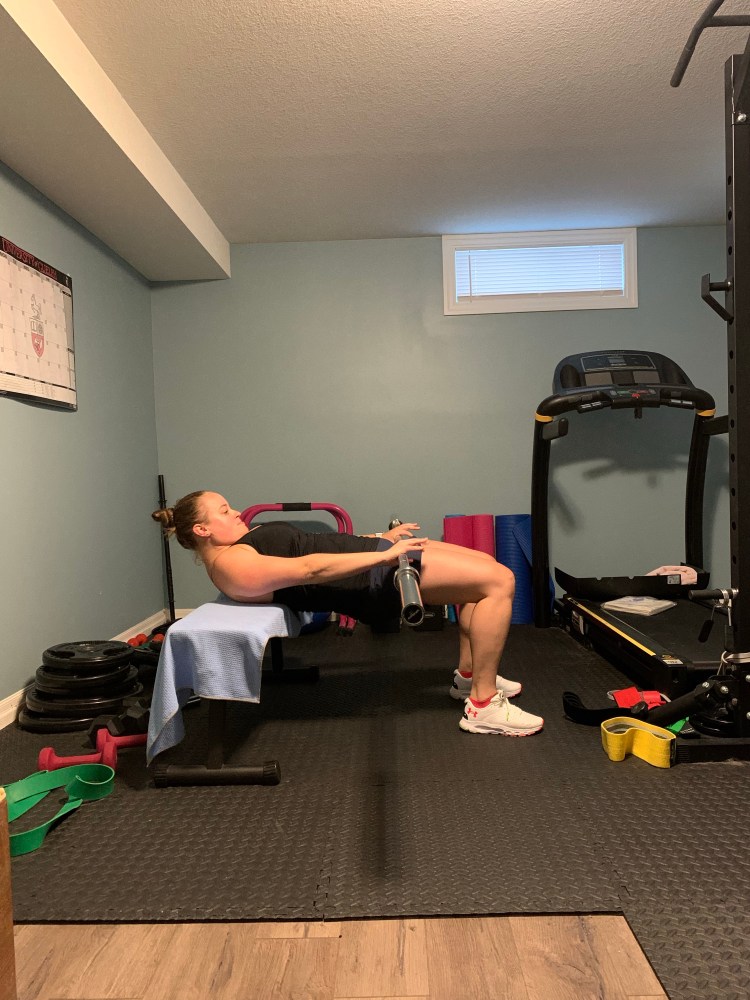
It’s important to note that as a beginner you will likely see improvements in both strength and hypertrophy early on in your training. In the beginning, your muscles are adapting and changing because you are placing a new stimulus (lifting weights) on them. This stimulus is good and because it’s something that your body isn’t used to yet, you will see positive results in the beginning. As you become more advanced on your training journey, you can implement some of the things we talked about here in order to change up your training journey to move you towards your goals as needed.
Share your goals in the comments…are you training for hypertrophy? Are you training for strength? Or are you just getting started on your training journey? No matter where you’re at remember that this is a long-game and your results will come over time. I’m so happy to have you along for the journey.
 ashleepedlowcoaching.ca