Self-care is a buzzword in the health and fitness industry right now, but that doesn’t mean that we shouldn’t still be implementing it. Self-care is defined by WHO as the ability of an individual to promote and maintain health, to prevent disease and to cope with illness and disability with or without the support of a healthcare provided. I prefer to think of self-care simply as activities done for yourself in order to help you function at your best level by filling your cup up.
Ultimately when we engage in self-care activities we are more likely to live a healthy, balanced and fulfilling life with less stress and anxiety. Engaging in regular self-care allows us to build confidence, improve our happiness, improve relationships and manage chronic illnesses or prevent them from happening in the future.
All this is to say that self-care is important and we should be practicing it, but what does that look like? For most people it’s a wide variety of things, but let’s start by defining the types of self-care and evaluating how well we are targeting each area.

Emotional Self-Care
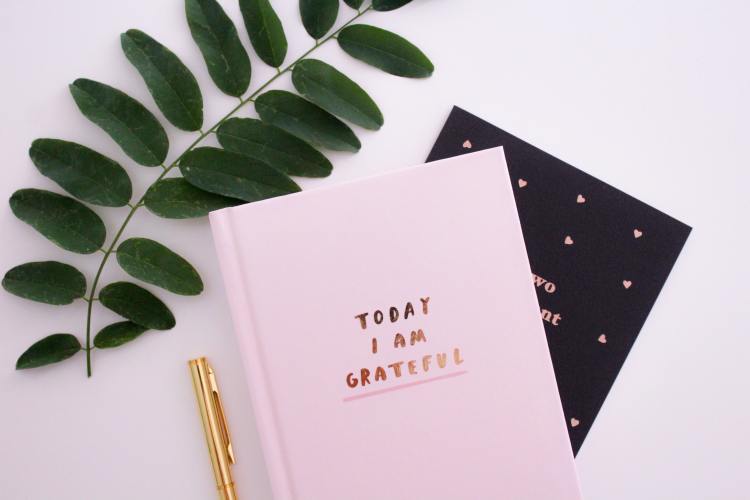
Emotional self-care is defined as the actions we take to connect with our emotions and process them in a healthy way. Examples of emotional self-care activities might look like journaling, taking to a coach, counselor or mentor, using affirmations or mantras, meditation or mindfulness or practicing gratitude. Consider the following questions to evaluate your emotional self-care
- How often am I taking time to be mindful?
- How often to I journal or practice gratitude?
- Do I find myself emotional reactive in higher stress situations?
Physical Self-Care
Physical self-care is defined as any activities you deliberately engage in to enhance your physical well-being. Physical self-care may look like engaging in regular exercise, getting enough sleep, getting up and moving during long sedentary periods or fueling your body with the nutrients you need to feel energized.
- How many hours of sleep am I getting each night?
- Are my meals leaving me feeling energized?
- How much physical activity am I getting each week?
Mental Self-Care
Mental self-care encompasses anything you do specifically to stimulate your mind and develop an understanding and loving relationship with your mind. This form of self-care is very specific to the individual but may include listening to a podcast, trying a new hobby, reading a book, writing, setting boundaries or recognizing when you need help. Evaluate your mental self-care with these questions
- How often am I taking time to be mindful?
- What activity or activities do I have that are relaxing for me?
- Do I have clear boundaries in place to help protect me from stressful situations?
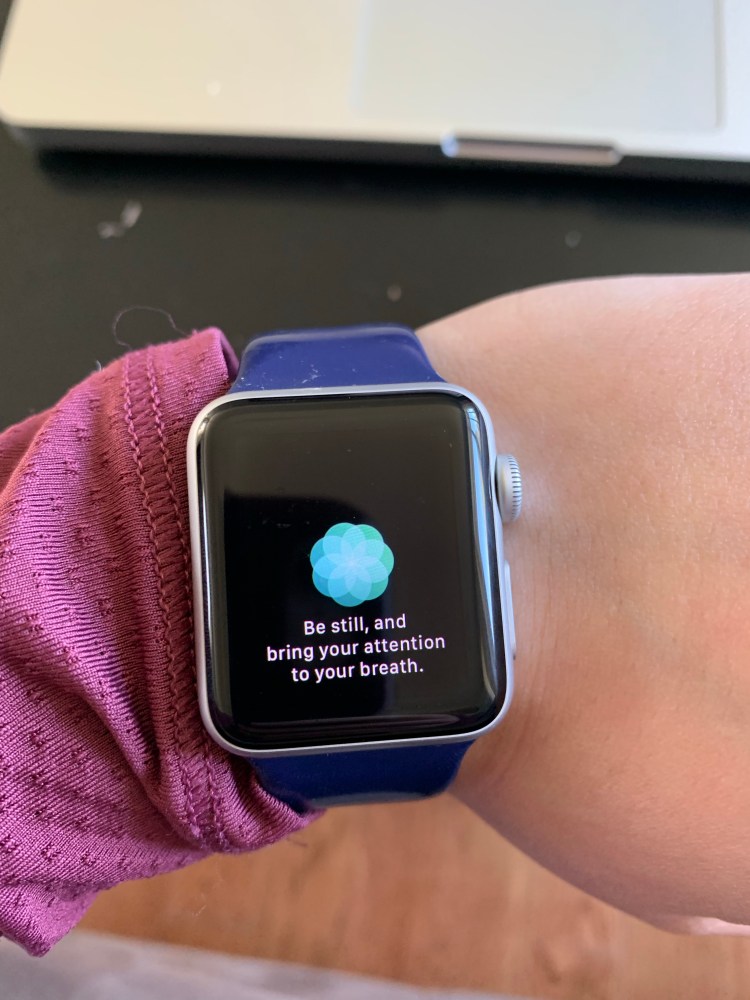
Social Self-Care
Social self-care is defined as activities that nurture our relationships with others. Examples may include regular calls with important people in your life, hosting a games night with friends, going on a date with your significant other or cuddling with a pet. Try evaluating your social self-care with these questions;
- Am I making time to do things with the people close to me?
- Do I feel connected to others?
- Do I have a support system in place to be used during stressful times?
Spiritual Self-Care
Spiritual self-care encompasses any activities you engage in to connect with your inner spirit and nurture your soul. Examples of spiritual self-care range greatly from one person to the next but might include spending time in nature, engaging in prayer or attending a worship service, doing yoga, volunteering for a cause your passionate about, or creating a vision board. Spiritual self-care is truly about doing things that light you up and inspire you. Evaluate your spiritual self-care with these question
- What activities are truly important to me?
- What things in my life make me feel fulfilled and lighter?
Practical Self-Care
Practical self-care is defined as any actions you take to fulfill your core needs and reduce stress. Basically these are things that make you feel like you have your life organized and together. Examples might include organizing your email inbox, decluttering an area of your home, setting out your clothes for the next day or meal prepping. Evaluate your practical self-care with these questions
- Do I feel organized in my everyday life?
- Do I feel organized at work?
- What areas of my home could use tidying or decluttering?
- Do I feel like I’m living in a constant state of stress and chaos?
Professional Self-Care
Professional self-care is the activities and actions that support feeling balanced and fulfilled in your career. Examples of professional self-care might include setting a calendar reminder for your lunch break, turning your work phone off when you are not working, using your vacation days, taking course or attending conferences, or using mental health/sick days when needed. This is an area for a lot of people that could use some evaluation so consider these questions;
- Do I feel like I can disconnect from work?
- Do I have boundaries in place to protect my time away from work?
- What have I done recently to help move my career to the next level?
As you can probably see from those descriptions and some of those examples, self-care is a very individualized thing. What i view as relaxing and consider self-care for myself, might be stressful for someone else and that’s okay. What is important is that you find those activities that do work for you and use them to your advantage. Let’s talk about 5 tips for prioritizing self-care in your life, no matter what that looks like for you
Start by asking yourself these questions on a monthly basis. When we are busy there are usually areas of self-care that we thrive in and others areas that we may find harder to keep up with. By asking yourself these questions each month you will be able to evaluate which areas you may be struggling in and hopefully you can put a little more effort into those areas that might need it. It’s going to be very difficult to be 100% with every area, every month so don’t get discouraged is there’s an area that’s tougher for you. Do what you can to focus on that area a little more, but know that odds are something else will probably drop at least a little bit.
Use a calendar or an app to remind you to engage in your self-care practices. Setting reminders for yourself can be important if you are very busy and you forget to engage in things like your self-care practices. Find an app that works for you, or use the calendar app on your phone to send you gentle reminders to stop and take a moment to do something to fill your cup up.
It’s important to communicate your self-care needs to those around you. If you know that you need to workout 3 times a week or that you need to eat specific foods to feel good make sure you tell the people around you. Sometimes we find it difficult to hold space for ourselves, but when we communicate our needs to those around us, they can help us hold that space for ourselves so that we engage in those self-care behaviours that we need.
Find self-care activities that make you feel good. I already mentioned that self-care is a very individual thing and it’s important for you to ensure that you are choosing activities that you enjoy. Stressful things are no good for your positive self-care habits. Think of the things that light you up, the things that make you lose track of time, and start to incorporate those into your regular self-care routine.
Finally, remind yourself that it won’t always be perfect. There are going to be weeks, or months, maybe even years where you may have to adjust what your self-care looks like or you may be placing more emphasis on one area than another. Remind yourself that this is temporary, because even though it might not seem like it in the moment it is and it’s important to remember that.
Self-care is an individual journey and your journey will not look like anyone else’s. Be sure to include things that are good for you and evaluate your self-care regularly to get the most out of your self-care routines!
 ashleepedlowcoaching.ca