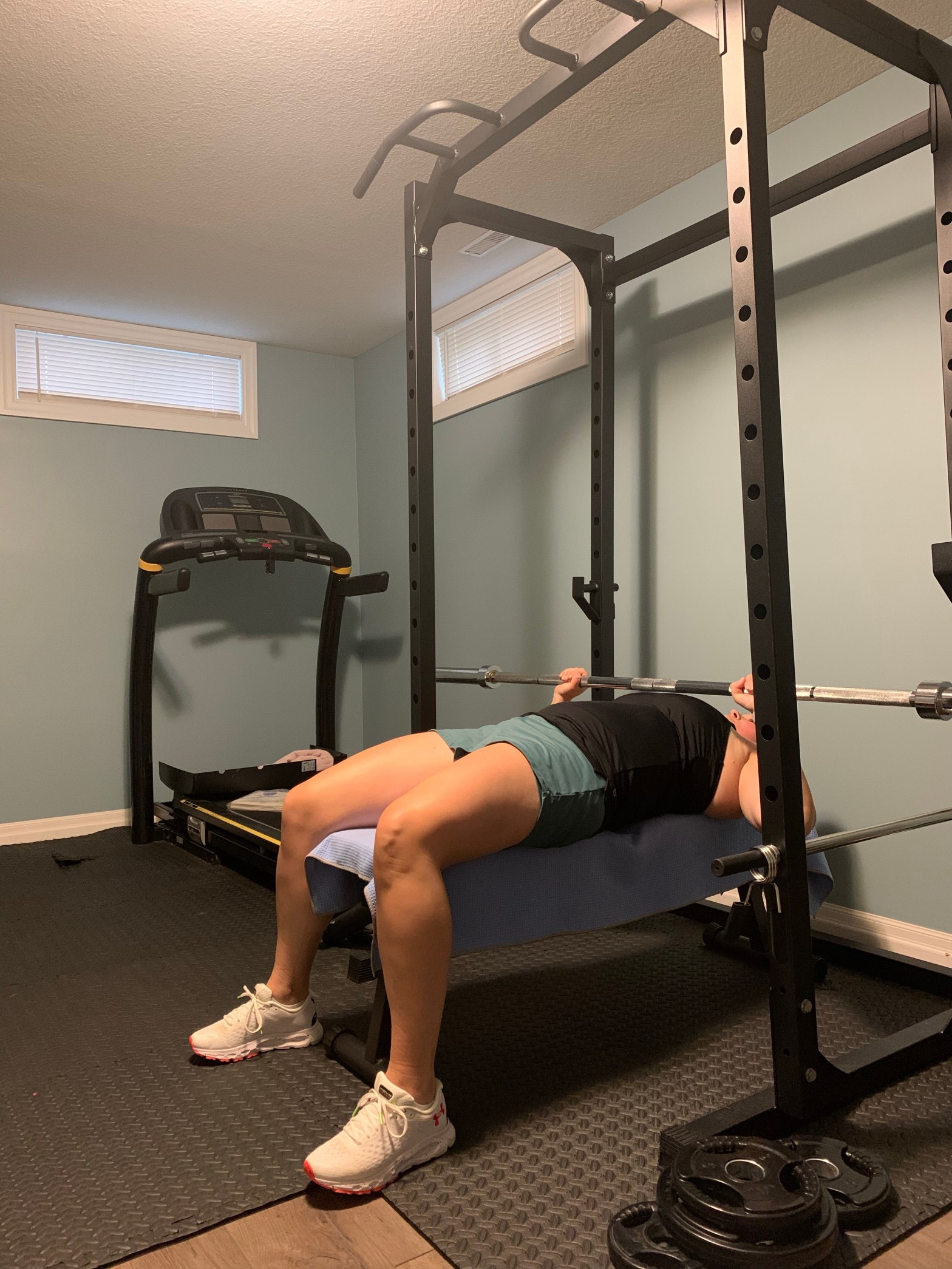
When it comes to building a well-rounded fitness program there are numerous things that go into it. Although to some, it may look like a group of exercises dropped onto a page there are so many considerations to make when you are building fitness programs for clients. So let’s talk about 5 things to consider when building programs for your clients
Does it work for your client?
In my opinion, this is the most important consideration. You can build a perfect program on paper, but if it doesn’t work for the client and they aren’t going to do the program then it’s useless. It’s important when building programs to consider the time clients have available, how many days a week they are training, what equipment they have access to, and their life overall. Factoring these pieces of information into your program will make it as successful as you possibly can because you’re client is more likely to actually do it. Telling a client who works 60 hours a week that they need to work out 6 days a week probably isn’t going to work. Telling a client to run when they have no interest in running is not likely to produce results. The most important thing we can do when building programs for clients is to find ways to make sure that what we are giving them they will actually do.
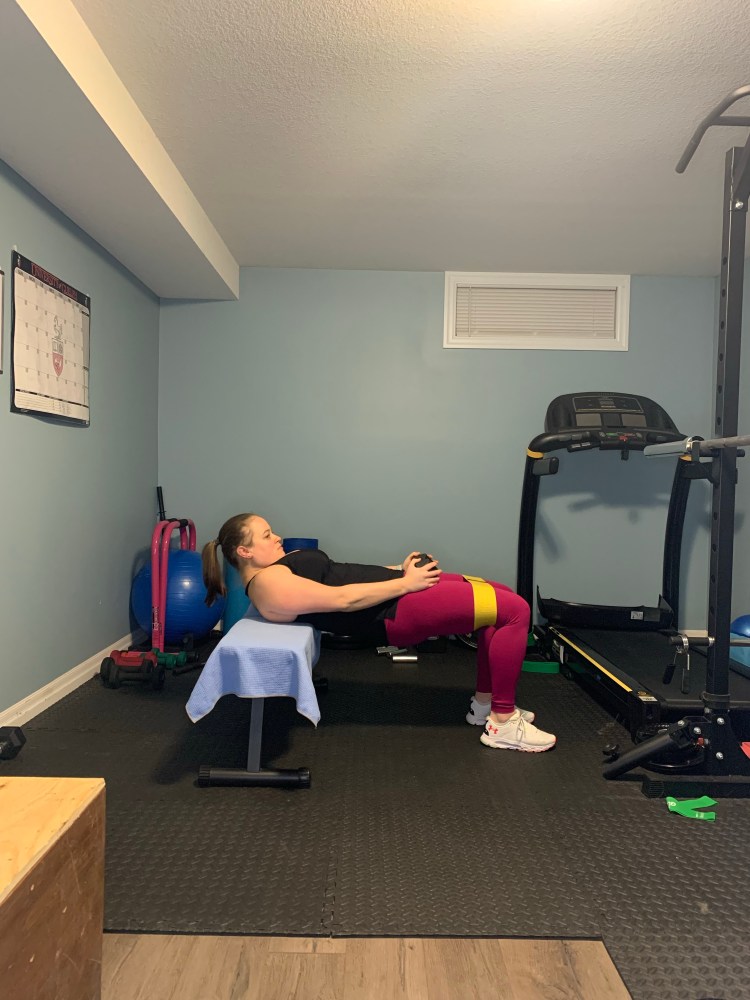
Considers their goals
What are your client’s goals? This should be one of the first questions you ask as a trainer and your programming should reflect this. If a client tells you they want to run a marathon, but they are running once a week and strength training 6 days a week something is not lining up. It’s important to remember that people train for so many different reasons and although weight loss is one of the most common reasons, we should never assume a client’s goal without having a conversation with them. A lot of people work out for their mental health or because they just want to be able to move well in their daily lives. Others train because they are working towards a performance-based goal. It’s important that the program you build makes sense with the client’s goals as well as making it work for your client. Sometimes this can be a challenge, but this is where honest conversations have to happen with clients if those things are really not adding up.
It’s more than just fitness
Although most people come into the gym for fitness-based outcomes it’s important to consider the things taking place outside of the gym as well when it comes to fitness goals. You can have a perfect fitness program for building muscle in a client but if they are not eating enough food and getting enough sleep, it won’t work (or it won’t work long-term). What happens outside of the gym absolutely affects what happens in the gym and it’s important to remember that just because our fitness is dialed in doesn’t mean that we will see maximal results if everything else is off. Remind your clients of this and help guide them towards improving these other areas as well in order to maximize the results they are getting from the program you’ve built.
Balances muscle groups
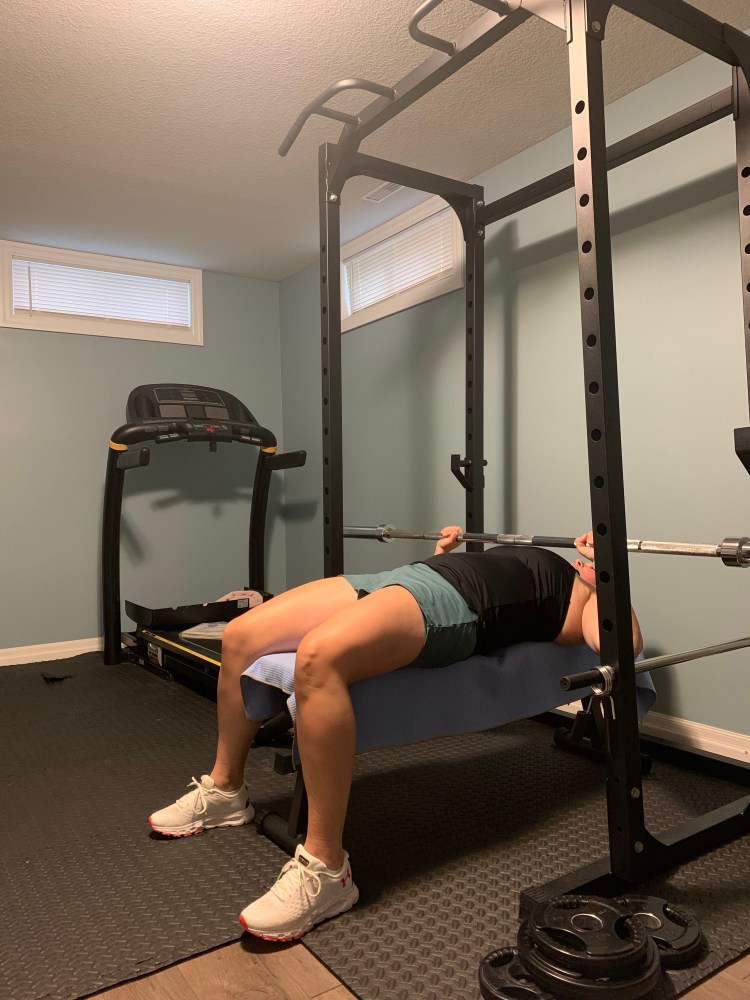
There are fitness trends everywhere where people want to build glutes or build their chest, but the reality is while a fitness program can focus on certain areas of the body, it doesn’t mean that we can neglect the other areas. Emphasis on glutes is a huge trend right now (especially among females), but just because we want to emphasize glutes doesn’t mean that we should neglect our quads and hamstrings. Overdeveloping one muscle and neglecting others will lead to muscle imbalances and over time this can lead to injury. While having goals that focus on a certain aesthetic can be okay, we need to make sure that it doesn’t compromise our client’s long-term health and safety and as a trainer, you need to educate clients on this fact.
Is adaptable
While clients want to have perfect workout routines where they are in the gym 5-6 days a week for an hour or more it isn’t always going to happen. I like to give clients options if they are short on time or aren’t able to get to the gym that day for how they can adapt their workouts. Obviously, whatever the initial program is you want them to do as much as they can, but it’s also important to recognize that life happens, and it won’t always be perfect. I find that giving these options can open the client up to getting something in, instead of just throwing the whole workout away because they don’t have time that day. Something is always better than nothing and when you educate your clients on those workarounds it can be helpful when they have off days.
What are your thoughts? Were these what you were expecting? Did you notice that most of them weren’t really about actually fitness or the type of exercises that you should be prescribing? The bottom line for most people is that fitness is about getting the body moving and being able to function well in their daily lives. While there are people who have very specific performance goals, the general population is looking for a healthy lifestyle, and taking some of these things into account can help with that. Although fitness programming is about fitness, there are so many things that we want to take into account in addition to that. What other things do you consider when building programs for yourself or for clients?
 ashleepedlowcoaching.ca