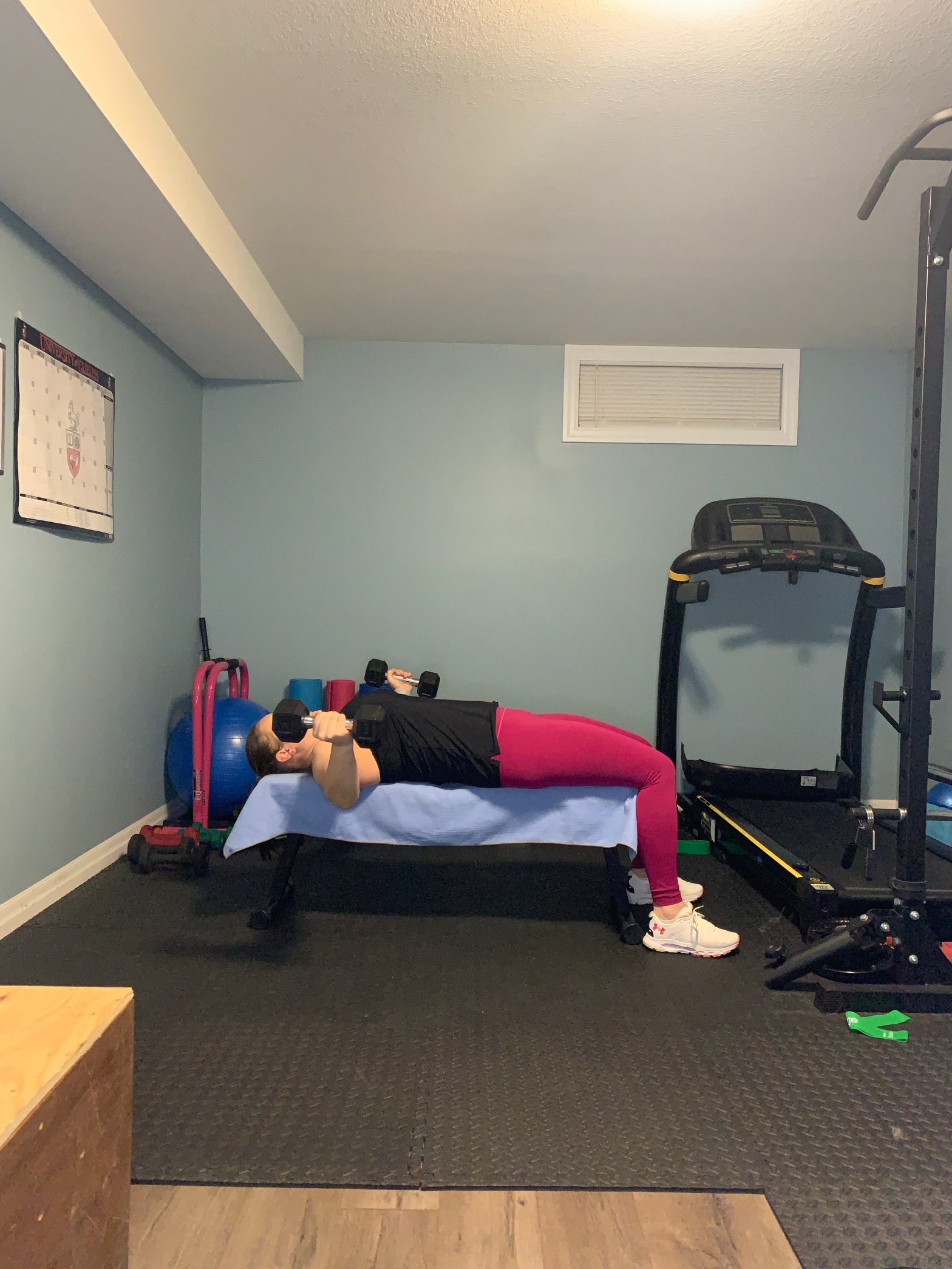
If you an avid exerciser you have probably heard the term Progressive Overload, but today I wanted to take some time to fully explain the concept of progressive overload so that you can get the most out of your workouts.
The concept of progressive overload is relatively simple. Each time we are exercising we want to increase the intensity of the workout in some way. Progressive overload is often talked about in terms of strength training, but it does apply to all forms of exercise. We can make exercise more difficult and increase our load slightly each time we exercise in more ways than just adding weight. When we train consistently our body adapts to the exercises we are doing and in order to continue to improve and see results, we need to increase the difficulty and the load that our muscles are under (and no, this doesn’t mean just by adding weight). We can do this in a variety of ways and I’ve outlined them below.
Adding Weight
Adding weight (or increasing distance for cardiovascular exercises like running, walking, rowing, ect) is the most obvious way to implement progressive overload. When we increase weight we are increasing the load on the muscles and forcing them to adapt to something slightly newer. When this is done consistently, over time we see results.
Adding Reps or Sets
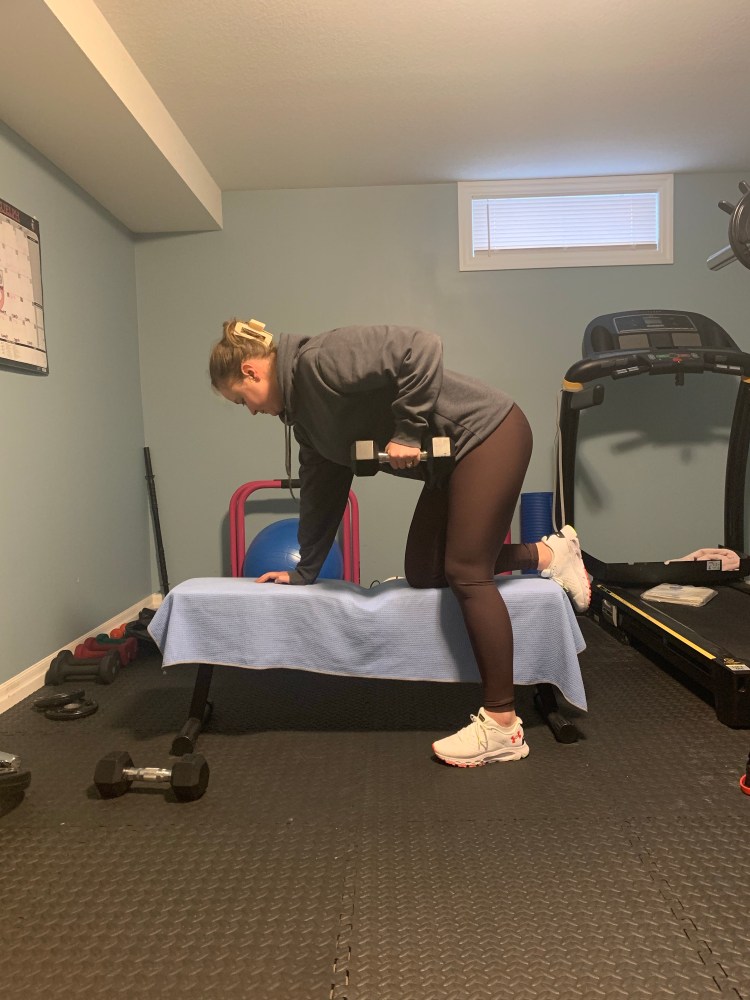
Maybe you don’t have more weight to add (if your training with limited equipment) or, you just aren’t feeling that on any particular day. Adding reps or sets can be another way to increase what we call training volume and progressively overload the muscles. If we use the same amount of weight but we do more reps or more sets then we are placing more load on the muscles over the duration of our workout. You can also apply the additional reps or sets concept to interval training as well, but adding more intervals to your workout.
Increasing the Difficulty of the Exercise
As we progress over time we can increase progressive overload by increasing the difficulty of the exercise. When we add additional stability requirements or choose more difficult movements we are able to continue to progressively overload our body. While it’s important to work with the same exercises for a period of time in order to establish those consistent patterns it’s equally as important that after longer periods of time working with the same exercises that we change it up a bit as well. This allows us to put new stresses on our body and keep us moving forward.
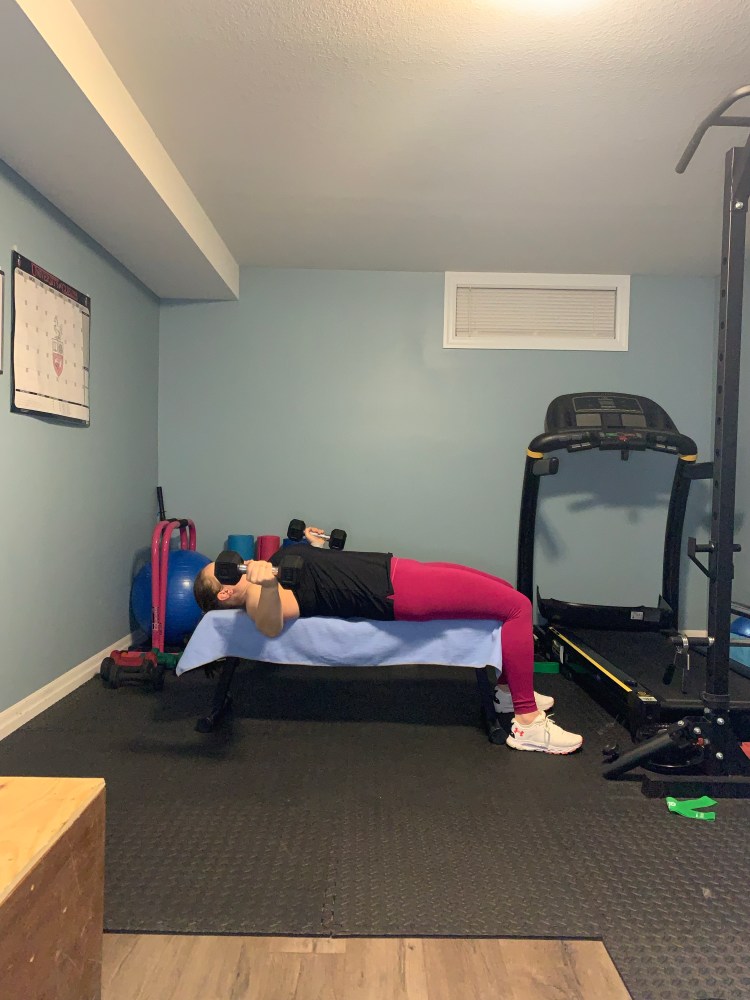
The key to all these progressive overload concepts is consistency. When we train consistently our body adapts to the stresses we place on it. In order to keep growing and improving we need to continue to push those stresses a little more. There is a delicate balance here as we don’t want to overload ourselves too much as that can lead to injury. Work on consistently improving in small amounts and when you look back in a few months you will be able to see exactly how far you’ve come.
 ashleepedlowcoaching.ca