Are you starting a strength training journey but not sure about all the terminology used. I feel like those of us that live in the strength training world all the time sometimes forget that although there are terms and concepts that are not new to us they are new to many of our clients so today I want to explain some of the most common strength training terms you will hear and what they mean.
Sets, Reps, Tempo
For those of us in the industry, sets, reps, and tempo are a part of our everyday vocabulary but for those starting out they may not be.
Reps is short for repetition which is the number of times you are completing a given exercise consecutively without a break.
Related, but slightly different are sets which are the number of times you will complete a given number of reps. You will rest in between sets of an exercise.
Tempo is the speed at which a movement is performed. Typically, we want to perform movements with control but there may be situations where we are moving faster through the movement or situations where we are slowing the movement down. This is called the tempo of a movement
Strength, Hypertrophy, Endurance
These three terms are a staple in the fitness industry and in strength training programming in general and although trainers may use them regularly you may not be quite sure what each of them means. When it comes to strength training most people are training with one of these three goals in mind and each one will result in slight changes to programming.
Those training for strength are trying to build stronger muscles and lift more weight.
Those training for hypertrophy are trying to build bigger muscles (yes there is a difference between stronger muscles and bigger muscles).
Those training for endurance are trying to increase the length of time that they can go before they get tired.
Compound, Isolation Movements
In fitness we often classify most of our strength training exercises as compound movements or isolation movements.
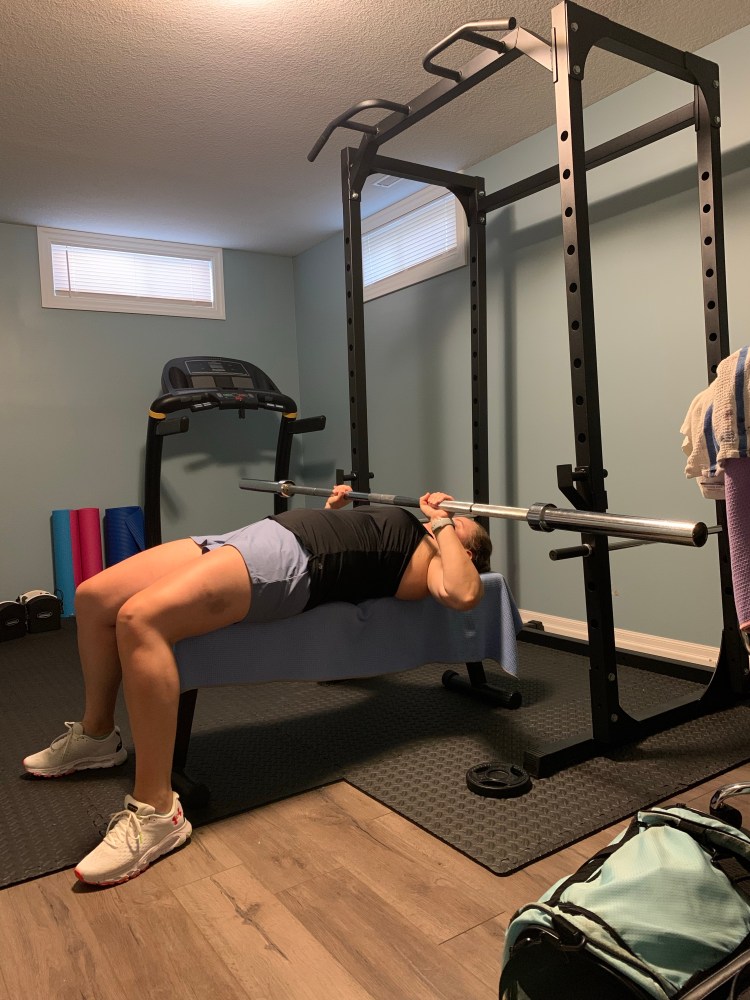
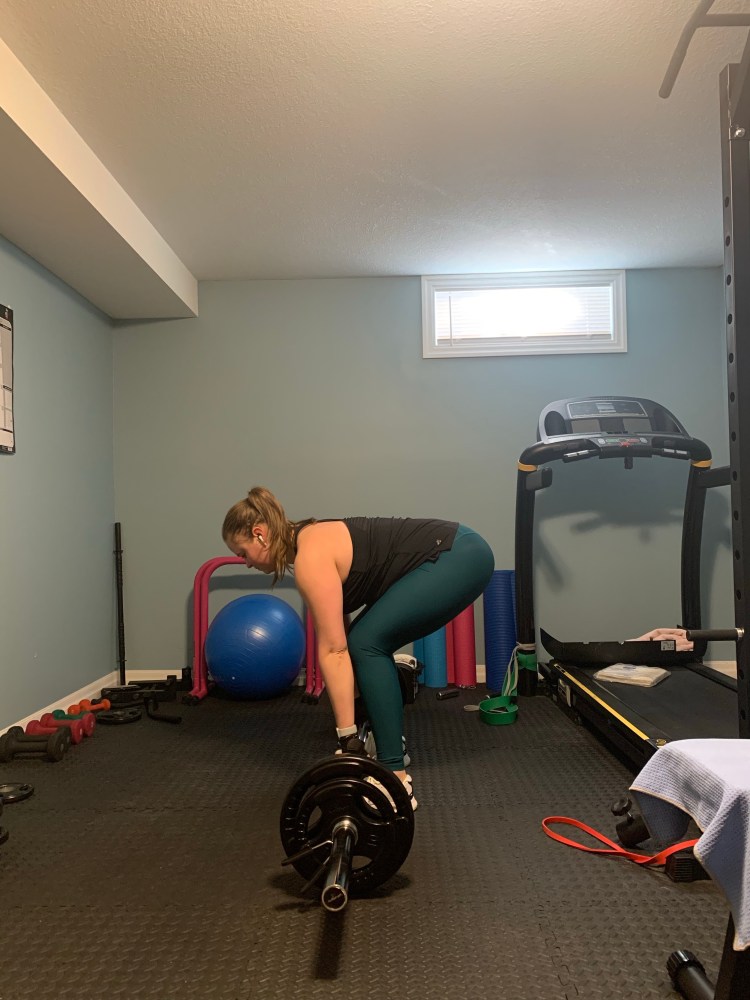
Compound movements are exercises that use many muscle groups. These movements are often the base of a program and should be emphasized with beginners. Think movements like squats, deadlifts, bench press, ect
Isolation movements are exercises that typically isolate a single muscle group when they are performed. These are typically movements that are added to programs when people have more time or are training many days per week. Most often these muscles are also used in compound movements as well so it’s not always imperative to include isolation movements in every program.
Progressive Overload
You may hear trainers talk about progressive overload, or you may not and they may just naturally include it in your programming without you even realizing it (and if they aren’t including it…it might be time to ask why). Progressive overload is the concept that you need to continually increase the stimulus acting on the muscle in order to continue to see results. The simplest way to put this is you either need to increase the weight, increase the reps or increase the sets (most people will use a combination of all three). As you train more consistently your body will become accustomed to certain stimulus (weights/reps/sets) and in order to continue to challenge yourself you need to increase that stimulus over time, which is why progressive overload is so important.
Failure
Not all situations require training to failure (in fact for the general population, we typically are training lifts to failure), however it may be a term you hear in the fitness industry. Failure of a lift is the moment when you can’t complete the movement anymore. Form typically deteriorates and spotters are often required if a lifter is failing a lift. Again, this isn’t something you will see a massive amount of in general population training, but it’s still a term that it used commonly in strength training environments.
What other strength training terms do you hear regularly? Are there any that you are unsure of the meaning of? Remember, that although these terms may be second nature to the people who spend a lot of time in the gym or work in the industry they may not be for you, so don’t hesitate to ask if you are unsure of specific terminology.
 ashleepedlowcoaching.ca