Are you new to health and fitness coaching? Sometimes I can’t believe that I’ve been in this industry for 6 years now. While I’m an advocate for continuing to learn (and I’m always taking courses and upgrading knowledge), today I want to share a few of the things I’ve learned over the years. These are mostly things that I’ve learned from experience and things that might help you if you are just getting started in the fitness industry. Check out the 7 things I wish I knew when I started coaching clients below:
Most clients know what they should do, you don’t need to lecture them on that
- One of the best lessons to learn as a coach is that when a client comes in and sits down in front of you they probably already have a good idea about what they should be doing. They may not know everything and they not know exactly how to get there, but generally they know if they are not getting enough exercise. They typically know that they need to eat healthier, and they often even have a pretty good idea about the types of foods they should be eating. I have learned over the years that lecturing your clients on health behaviours typically doesn’t get you very far. Instead, focus on working with your clients on how you can help them to actually implement these changes. This is usually the place that most clients struggle.
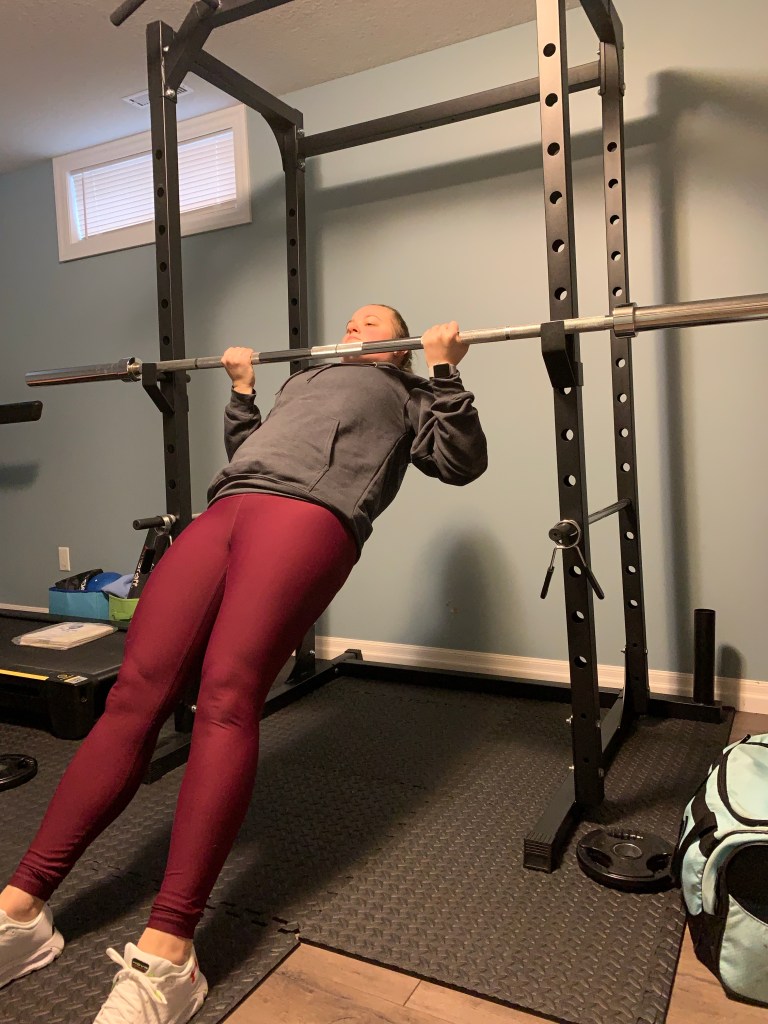
Sometimes you aren’t their trainer. Sometimes you’re their friend, sometimes their therapist and sometimes just an ear to listen or shoulder to cry on
- Typically clients walk into a gym for the first time because they are looking for a trainer. But the reality is that trainers spend more time with their clients than most health care professionals do and sometimes trainers take on more than just the role of trainer. There may be days where clients come in and just need to vent. There may be days where your clients come in and don’t want to talk at all. There may be days where your clients come in and need the hardest workout you can possibly through at them, and other days they may need to just work through some mobility and stretching. Although you need to have a plan when you head into each client session it’s also important to be able to adapt on the fly to what a client might need in that moment. Everyone has different experiences and may need different things in response to the day, week or month they are having. Know that although you are a trainer, sometimes clients may use you as a listening ear or a shoulder to cry on. Although I would never want to have a trainer let this get out of hand, I do believe that you have to adapt to the client that walks in the door as well.
Not every client is a good fit for you, don’t try and make them fit you
- When you first start out in the fitness industry every trainer wants clients. One of the hardest lessons to learn is that not every client will be a good fit for you, and it’s important for you to know that it’s okay. Trying to change yourself as a person or a trainer to mould to all clients isn’t good for your mental health or your reputation. Once you find your niche stick with it, if that isn’t the right fit for a specific client that walks through the door don’t be afraid to tell them that. It’s always wise to have someone you can refer out to in these situations so try to build a network of fitness professionals that have different niches than you do.

Sometimes it’s easier to just give clients what they want, even when it’s not the best fit for their goal
- Ahh, the client who walks in to talk to a trainer even through they “already know everything”. When you encounter one of these for the first time it can be the most frustrating expereince, however once you’ve been there you will learn that sometimes it’s just easier to give them whatever it is that they want, even if it’s not the best fit for their training goal. This doesn’t mean that you have to disregard all the things, but if they want a bicep exercise and won’t take no for an answer even though you haven’t programmed one, sometimes you just have to give them the bicep exercise.
If you let clients have a say they are much more likely to commit
- Clients who feel like they are an active part of the conversation when it comes to their health and fitness journey are much more likely to commit. This is just fact! Include your clients in the conversation and make it just that…a conversation. Instead of sitting there telling a client what to do, ensure that building a program is a collaborative effort and you will get a ton more buy in from your clients.
Some clients actually don’t care what you have to say
- New trainers always want to share their knowledge…but the truth is that some clients just don’t care (in fact a lot of them don’t care). They are coming to you because you are the expert. Yes you know that you have chosen a specific exercise, protocol or workout split for a reason when you designed their program, but they often don’t. Avoid overexplaining, and give clients the workout they came for and they will typically leave feeling great.

You can’t talk to every client the same way and expect the same response.
- As a trainer you will learn over time how to say the same thing in many different ways. There are clients that you will need to be gentler with and there are clients that come in looking for a drill sergeant. There are clients that want you to be a cheerleader and their biggest fan, while there are others that just need you to be there and give them the workout and the feedback. When you start working with a client you will learn what works for your client relatively early on so tune into these things. People are different, and not everyone will understand or move in the same way so be adaptable and allow your clients to drive the way that you talk to them.
Are you a coach and feel like I missed something? What did you learn when you started working with clients for the first time? What was the hardest lesson that you had to learn?
 ashleepedlowcoaching.ca