When it comes to nutrition it’s common for people to take the all or none approach. When you are starting out on a health and fitness journey we can’t not talk about nutrition, but introducing healthy nutrition habits doesn’t mean that you have to completely overhaul your nutrition all at once. Often this is the approach people take when they are looking to start eating healthier, but it’s one of the quickest ways to set yourself up for failure.
So what do I recommend? First I would stay start with small changes. For some people, implementing healthy nutrition habits it an incredibly difficult task and trying to make many changes all at once will make it seem like an impossible task. Choosing one small habit at a time and ensuring that it fits into your lifestyle is one of the easiest ways to start to make these changes seem possible. Second, I would suggest that you focus on introducing new habits instead of trying to stop doing old ones. Habits typically become habits because they serve a purpose for us or they solve some sort of problem. When they become habits, our brains move into autopilot to complete them which can make removing them from our lives very difficult. Instead if we focus on implementing new and healthier habits into our lives and focus on engaging in them regularly we know that we are achieving those healthy habits. Over time, often those older habits will adapt, change or disappear altogether as we introduce new habits. So place the emphasis on introducing the new instead of trying to squash the old. What habits do I recommend? Well you can check that list out below.
Drink More Water
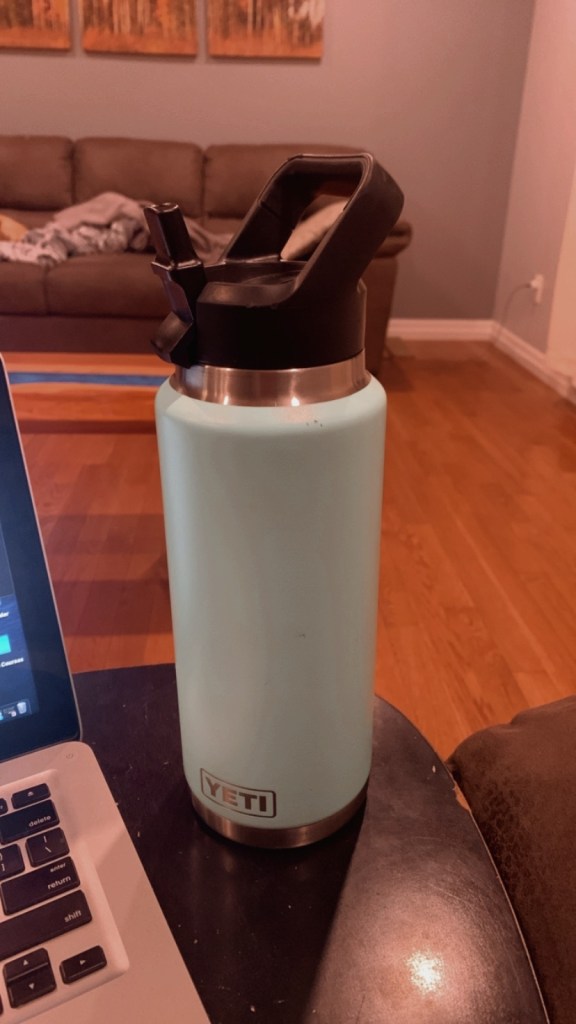
One of the easiest places to start when you are looking to introduce healthier nutrition habits it to start drinking more water. Most people don’t drink enough water generally so this can be something great to start with for most people. Try getting yourself a water bottle and focus on filling it up several times a day. You don’t have to hugely increase your water intake all at once, but start with small amounts that are manageable for you and increase slowly over a week or two.
Eat Slower
We live in a society that is often constantly on the go, which also translates over to our eating practices as well. Did you know that it can take 20 minutes from the time your stomach is full to the time that your brain recognizes that (there’s a lag in the communication channel). This means that typically by the time that you feel full you were actually probably full about 20 minutes before that. This often leads to overeating. Slowing down our meals and our eating practices can help to eliminate how much extra food we are eating and often this habit alone, regardless of the types of food that you are eating can help to start to implement some changes with regards to nutrition habits.
Eat Until Your 80% Full
This is a second practice that can go hand in hand with eating slower. If we can focus on eating to the point that we feel like we are about 80% full then we typically can avoid overeating. Because we aren’t stuffing ourselves we may find that we are consuming less food and we aren’t feeling as sluggish after meals.
Eat When Your Hungry
This is another one that can be difficult in the beginning. Many of us have a tendency to eat a certain times or eat because we are bored, but another nutrition habit you can introduce is eating when you’re actually hungry. Before you eat something, take a second to ask yourself if you’re actually hungry or if there might be another reason you are eating. Bonus points if you can figure out what that reason is (boredom, emotional, ect).
Avoid Labelling Foods as “Good” or “Bad”
This one is massively controversial however avoiding labelling foods as “good” or “bad” can be very helpful on your nutrition journey. If we label foods as bad typically we feel guilt or shame around eating them and often these are foods that we genuinely enjoy eating. Instead we can place foods on a continuum in which we want to eat certain foods more often and others less often. This can help to decrease those feelings of guilt and shame around food and develop more positive relationships with food overall.

Don’t Completely Avoid Your Favourite Foods
Often we find that our favourite foods are not the healthiest ones, but I want you to try and avoid completely cutting those foods our of your life. When we completely avoid foods that we truly enjoy eating we often overindulge when we are exposed to them next. Instead allow yourself to have small amounts of this foods throughout your journey to healthier eating and avoid binging on them completely.
Eat More Vegetables
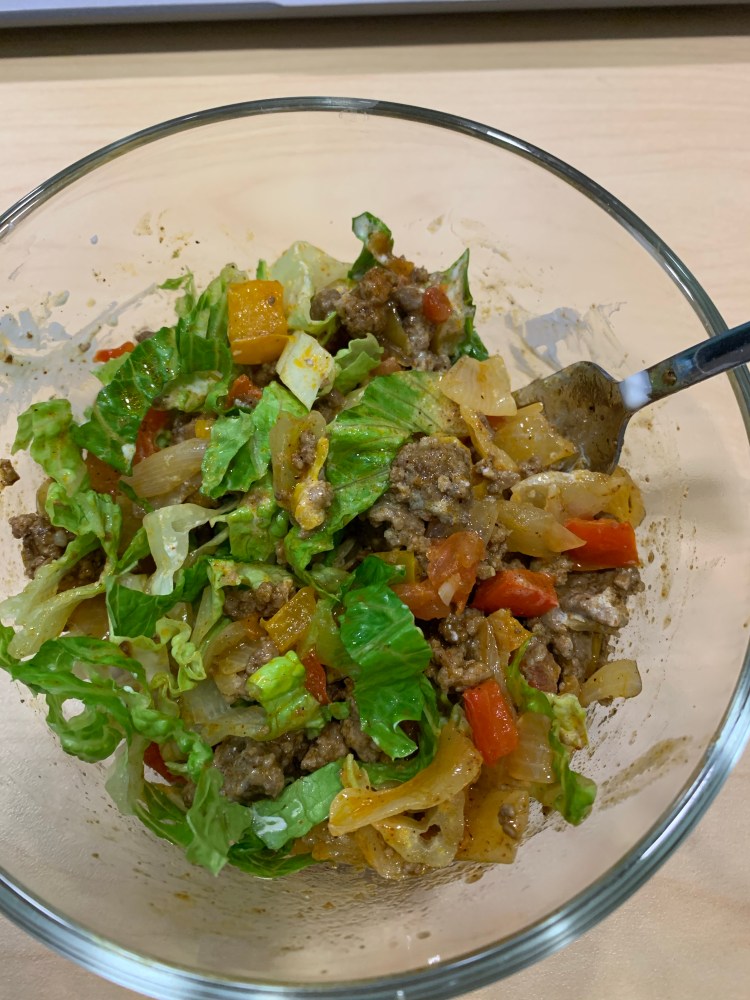
I think that we all know that we could eat more vegetables. Keep in mind that what more looks like for you might be different than what more looks like for me and that’s okay, especially in the early stages. The more you can incorporate vegetables into your diet the more nutrients you are typically getting and this is always a positive. Focus on finding ways that work for you to increase your vegetable intake. You can consider salads and smoothies as create ways to get larger amounts of vegetables in all at once.
Plan Your Meals
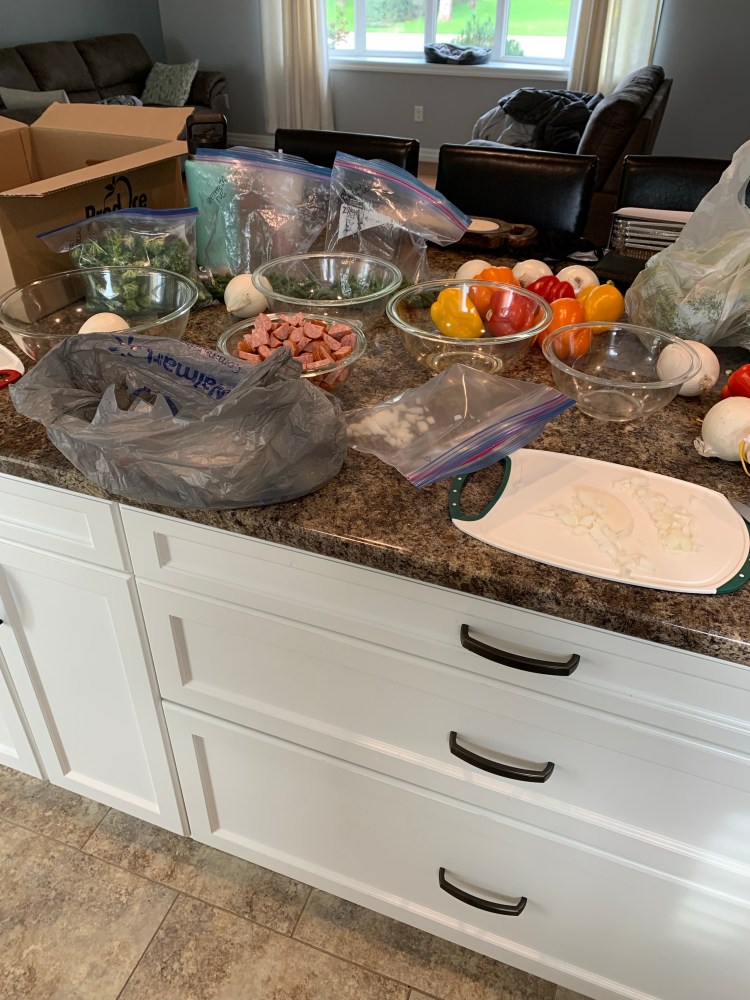
When you are trying to introduce healthier alternatives into your life try planning meals ahead of time. I know that in my household, when we don’t plan meals we often default to certain things that are not as ideal or healthy. Although this isn’t a bad thing to do in moments, the more we can plan ahead typically the healthier we can eat. Planning your meals ahead can also help to decrease food waste and save you money.
So which nutrition habits are you going to take from this list? You don’t need to take them all and you certainly don’t need to implement them all at once, but try one or two if you are thinking about starting to implement some healthier nutrition habits into your life!
 ashleepedlowcoaching.ca