Throughout pregnancy and the postpartum period your hormones will change drastically. Last week we touched on the hormonal changes that take place throughout pregnancy and today we will touch on the changes that happen in the postpartum period.

Labour is triggered by a complex series of events including changes in hormones. During labour oxytocin rises and progesterone declines. Oxytocin produces the contractions that are required to deliver both the baby and the placenta during birth. Oxytocin along with estrogen also help release prostaglandins which help to soften the cervix in preparation for birth. Relaxin increases during labour to help loosen the ligaments and further soften the cervix. All these help prepare your body for the delivery of baby.
After delivery your hormones decrease drastically. In the first 24 hours or so the endorphins (your feel good hormones) help you to manage pain and feel happy. Prolactin will increase immediately following birth as well to increase breast milk production. With the delivery of the placenta all the hormones that your body was producing during pregnancy (including estrogen, progesterone, relaxin, hCG and HPL) stop. The placenta produces these hormones so once it is delivered their levels start to drop drastically and will continue to drop over the coming days. During this period after delivery your hormones will hit the lowest levels you will ever see outside of menopause and this is often what leads women to ride an emotional roller coaster early in their postpartum journey. In the early postpartum breastfeeding and skin-to-skin will trigger the release of oxytocin and help you let down milk, but this can bring on uterine contractions as well in the first few weeks after birth.
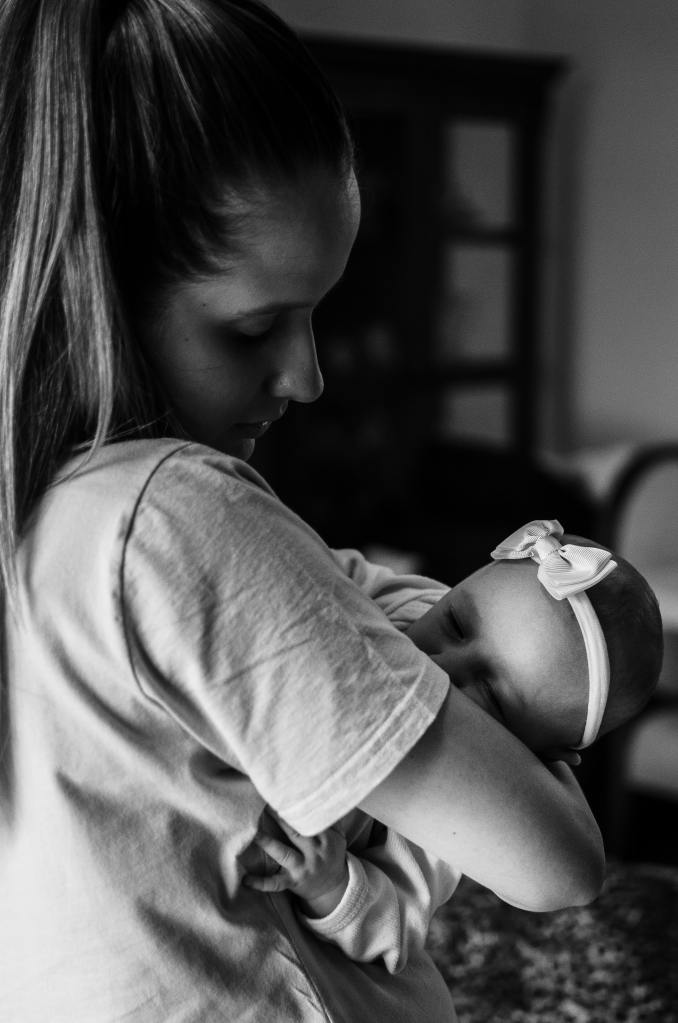
After the first few weeks postpartum your emotions will start to regulate. This occurs as your hormones start to regulate a bit. Around the 6 week mark some women may begin to experience symptoms of postpartum depression as the adrenaline you’ve been functioning on continues to fade. It isn’t until 2-3 months postpartum that your hormones begin to start to reset to their pre-pregnancy levels. Generally, during this time cortisol levels are still increased due to the stressors of having a new baby at home. These stressors may include learning a new routine and lack of sleep. This lack of sleep can contribute to decreased levels of melatonin which can negatively impact serotonin production. This can have a negative impact on mood. At about 6 months postpartum prolactin levels will start to decrease as you introduce your baby to solid food and it can take up to a year or longer for your menstrual cycle to return to normal as well.
As you can see throughout the pregnancy and postpartum journey there are a large number of hormonal changes that take place. These changes can leave you feeling out of sorts and not yourself at a number of different times. Hormones are powerful things and they have the ability to produce great change in the body. In many situations these changes are natural and good things for the body but that doesn’t mean that it feels normal for us or that we always feel 100% ourselves through this process. Remember to give yourself grace as you navigate the hormonal changes that come with pregnancy and postpartum because it is completely normal to not feel yourself all the time in these situations.
 ashleepedlowcoaching.ca