High impact exercise during pregnancy and postpartum…have you been told you shouldn’t do it? Maybe instead you’ve heard it’s fine, or you’ve been told that if you were doing it before you got pregnant it’s fine. So what’s the answer…well like most things when it comes to pregnancy and the postpartum it depends…
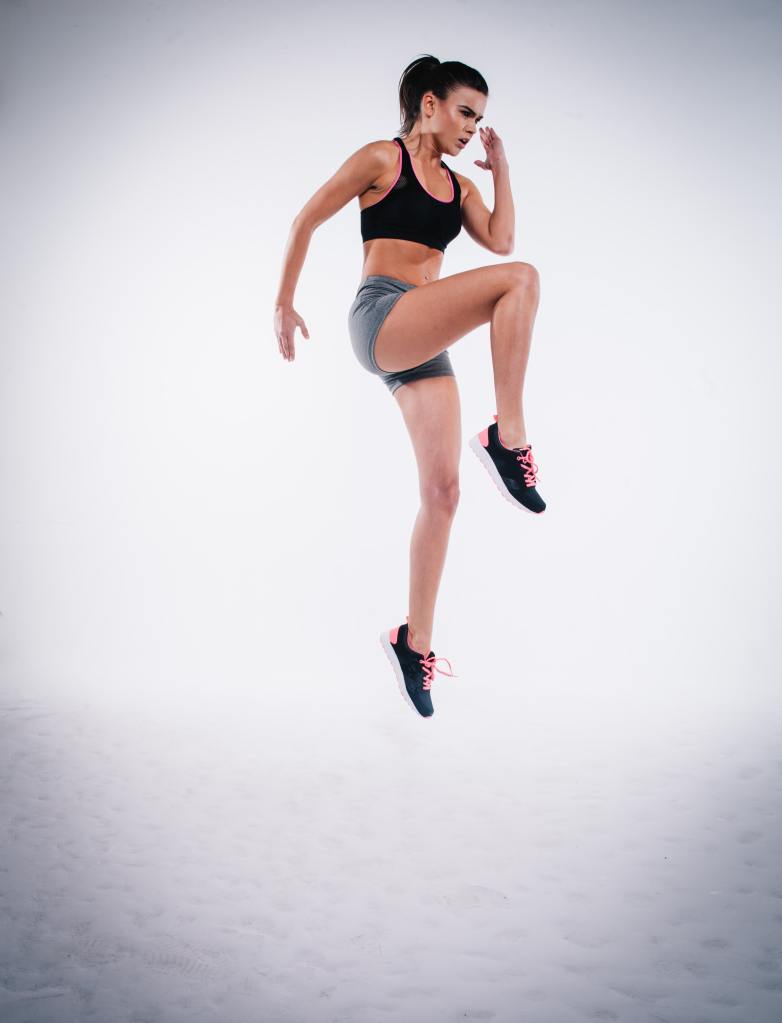
Maybe that wasn’t the answer you were looking for but high impact exercise during pregnancy and postpartum is extremely individualized and it will look different for everyone. To start off, I want to differentiate between high impact and high intensity exercise…because contrary to popular belief there is a difference. Often these terms are used interchangeably especially by individuals who do not have an educated background in fitness because on the surface they do kind of sound the same…but here’s the difference. High impact exercise is any form of exercise that usually involve some sort of jumping or pounding and often your feet leave the ground at some point or another. Examples of higher impact exercises include things like running and jumping. High intensity exercise, on the other hand is exercise that is performed at a high intensity usually for a short duration followed by a duration of recovery that increases your heart rate fairly dramatically. Examples of high intensity exercise are widely variable but may include things like running sprints, rowing, swimming, plyometric exercises, boxing, ect. As you might have noticed, a lot of high impact exercises can also be considered high intensity exercises while high intensity exercises are not all high impact.
So why do we talk about avoiding high impact during pregnancy and postpartum? The biggest reason is because of the pressure increase that occurs on the pelvic floor. Think of your pelvic floor like a trampoline because ideally this is how your pelvic floor should be functioning. It should load and lengthen in response to force or pressure placed on it. During pregnancy this force is the growing uterus. We also want to be able to contract our pelvic floor to counteract these increased forces. This is why we want to ensure that we can both load and lengthen as well as contract our pelvic floor instead of only focusing on contraction (Kegels as you may hear them commonly called).
So what does this mean from the standpoint of high impact exercise. To get a little sciency for a minute force = mass X acceleration. Acceleration is gravity (9.8) and doesn’t change from one point in time to another. As baby grows, mass will increase which means when you multiply a larger mass by gravity you see an increase in force on your body overall. When we perform high impact exercise force is also increased on our body (due to the impact) and during pregnancy this is compounded with the increased force from baby growing. So to make that clear high impact exercise = increased force on body, growing a baby = increased force on the body and the combination of the two = more force than either one on its own.
So you’re saying we should avoid high impact exercise during pregnancy…the answer…it depends. As long as you are able to manage intra-abdominal pressure (you aren’t leaking urine or having any other symptoms of pelvic floor dysfunction) and high impact exercise is still very comfortable for you there isn’t necessarily any reason to stop it. Which is why it depends. Every women may experience pelvic floor dysfunction at different times during pregnancy if they are engaging in high impact exercise or they may never experience it at all. If you are experiencing any symptoms of pelvic floor dysfunction then it may be time to set aside the high impact exercise for now (not forever) and seek guidance from a pelvic floor physiotherapist as well.
But this isn’t the only reason that you may want to cut back or eliminate high impact exercise during pregnancy. Remember that during pregnancy, the hormone relaxin causes the ligaments holding your bones together to become lax. This is sometimes associated with pain and discomfort (not always, but sometimes). If you are experiencing pain or discomfort from increased joint laxity high impact exercise may exacerbate this. Remember, that high impact exercise is increasing the amount of force on the body, which is already increasing as baby grows. This force, could lead to injuries if not approached cautiously and carefully and tailored to your specific situation. You may also find that as you progress through your pregnancy high impact exercise may just not be comfortable anymore and if this is your experience then know that it is perfectly fine to back off for now. You still want to be able to enjoy your exercise, not dread it or have it leave you feeling worse than when you started.
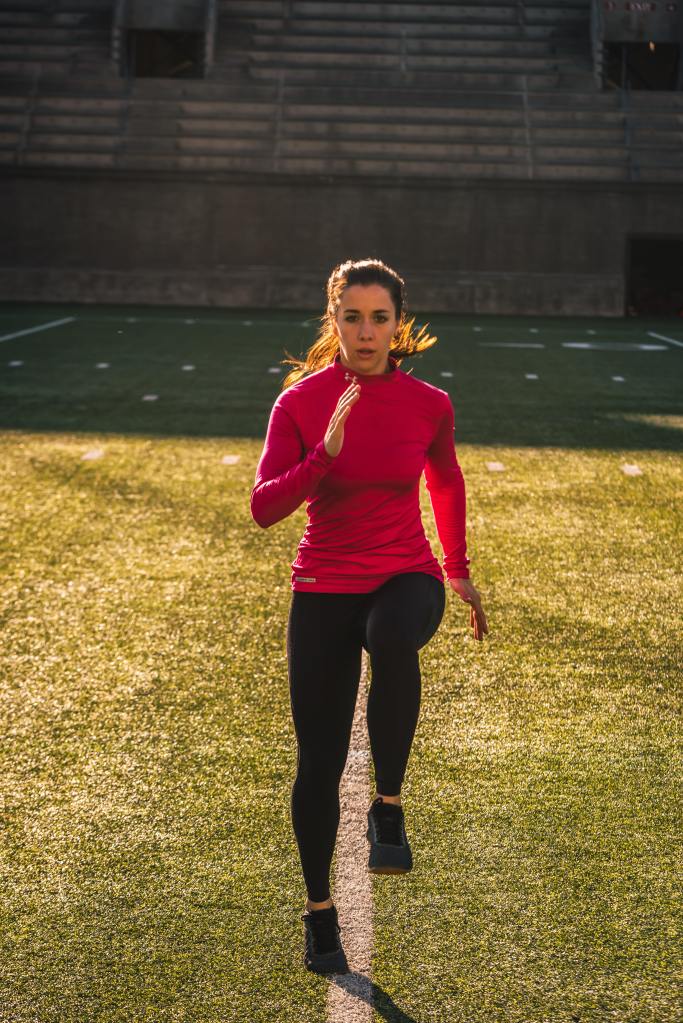
A note on postpartum high impact exercise. Generally, the recommendation is to avoid high impact exercise immediately postpartum. Again, returning to high impact exercise after pregnancy will be very individualized. It’s extremely important to focus on core and pelvic floor rehab and reconnection in the postpartum phase before worrying about getting back into high impact exercise. Taking the time to work with a pelvic health physiotherapist and/or a postnatal coach can help ensure that you are appropriately retraining your core and pelvic floor which will allow you to get back to that high impact exercise when you are ready. And if you choose never to go back to it…that’s cool too (you don’t need high impact and jumping exercise to get a good workout in, contrary to what you may have heard).
Know that high impact exercise during pregnancy and postpartum is very individualized from one person to the next. It’s important to know that what works for your friend or your sister or your coworker may not work for you and that’s completely okay. If you have any questions about whether high impact exercise is appropriate for you, reach out and take advantage of free consultation with me. I would love to chat with you and ensure you are on the path that is right for you today!
 ashleepedlowcoaching.ca