Often when mom’s feel sad, anxious or irritable after giving birth they feel that they can’t share it or express it, they feel that it is wrong of them to have those feelings. You have this new bundle of joy…it’s this supposed to be among some of the happiest moments of your life. Feeling the “baby blues” is actually quite common for moms a few days after giving birth and can last up to two weeks. The “baby blues can be defined as short-term dips in mood and are caused by the changes that come with having a new baby. With the “baby blues” your mood may swing quickly from happy to sad. You may also not feel like eating or taking care of yourself because you feel tired or exhausted. You may also experience irritableness, overwhelm and anxiety.
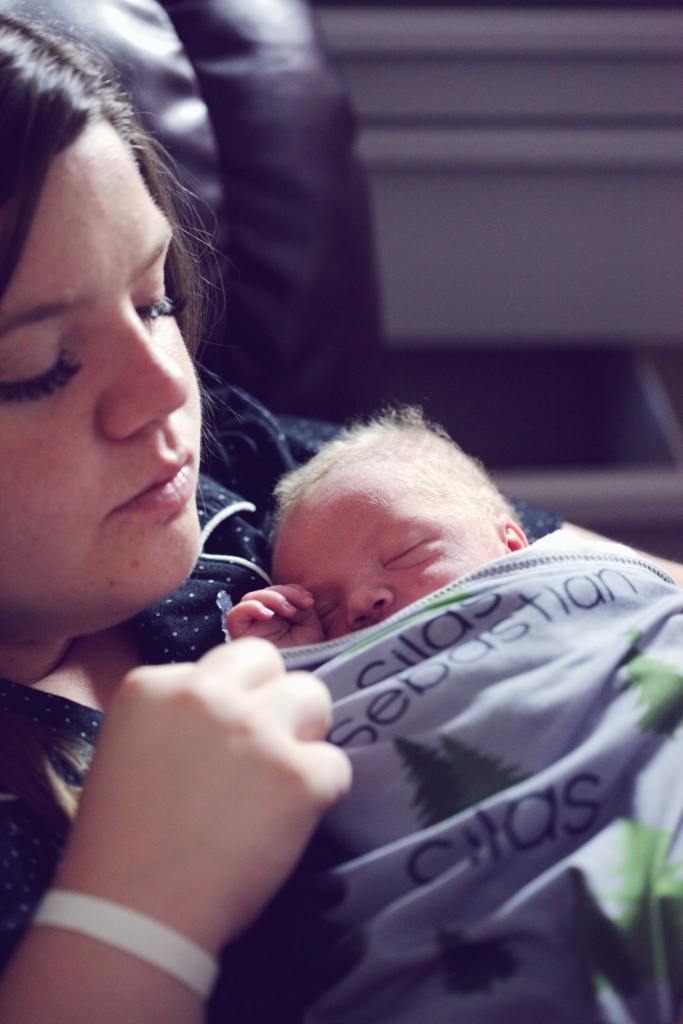
If you take a moment to look at the big picture it makes sense why this occurs. Take a look at the drastic changes that have just taken place in both your body and your life…in a very short time frame I might add. During your pregnancy estrogen and progesterone are high. After giving birth (almost immediately) estrogen and progesterone drop drastically. Low estrogen levels can lead to night sweats, hot flashes and vaginal dryness in the postpartum period. Progesterone is known to leave a woman feeling happy and dreamy so a sharp decrease can leave women feeling less resilient, more stressed and more moody. These hormones will continue to change through the postpartum period and will take months to readjust and recalibrate through breastfeeding (if you are) and then away from breastfeeding back to a more “normal” state. You may also feel drained from both the physical and emotional demands of labour and delivery as well as the round the clock care that a newborn requires. None of these feelings are bad and new moms should be allowed to feel them without being judged or feeling ashamed.
As you adjust to your new life (usually by about 2 weeks) the “baby blues” should start to fade. There are some things that you can do during this transition that can help you feel better during this time;
- Ask for help when you need it (often family and friends will offer to help, don’t be afraid to accept this help or to ask for it if you need it)
- Don’t set your expectations too high (as you begin to adjust to your new routine you will be able to catch up on neglected household chores or other projects that may take a back seat, but don’t expect that they will all get done right away)
- Get outside (fresh air and sunshine can do wonders for your mood)
- Get moving (exercise, even if it is very light gentle movement or walking can help to increase your endorphins and give you a natural high)
- Don’t forget to eat (low blood sugar can lead to decreased energy and low moods so keeping easy to reach for snacks on hand can help to improve your mood and energy levels)
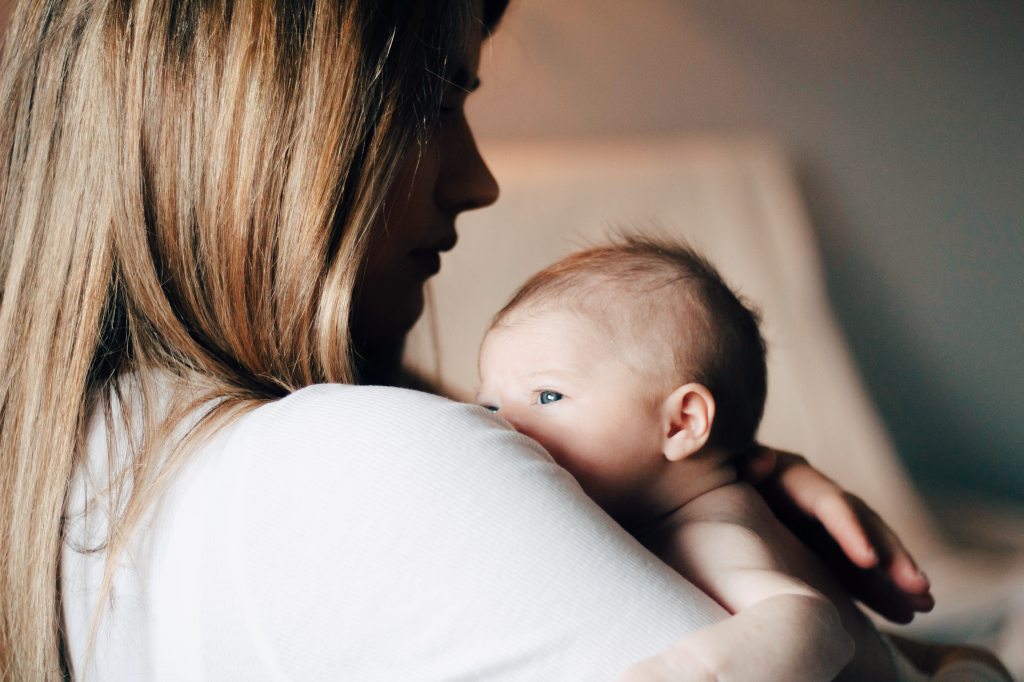
When your feelings of sadness last longer than a couple weeks or become worse instead of improving you may be suffering from postpartum depression. Postpartum depression is more severe and lasts for a longer period of time but is also much less common than the “baby blues”. With postpartum depression you may experience feelings of hopelessness, sadness, worthlessness or feel alone. You may cry often and may experience difficulty bonding with your baby. You may not be able to eat, sleep, take care of yourself or your baby (or both) and you could suffer from anxiety or panic attacks. You may also find yourself completely avoiding family and friends, experience a lack of interest in daily tasks or have thoughts of harming your baby or yourself (this may include thoughts of suicide or suicide attempts).

If you are suffering from postpartum depression (or feel that you may be experiencing any of these feelings speak to your health care provider immediately. Many women will often wait for their 6 week checkup to mention any of these feelings to their doctor but if you are concerned dealing with it sooner rather than later is better. Postpartum depression may be treated with medication, counselling or a combination of both. Ensure that you are keeping in touch with your health care provider consistently.
If you feel that someone you love is suffering from postpartum depression encourage them to speak with their doctor. Don’t try and solve their problems for them and just start helping where ever you can. Be sure to check in on them…and don’t make it all about the baby. Just be there for her in any way that you can. She may feel ashamed about asking for help or for feeling the way that she does. Be sure to encourage her in all areas of her life.

After delivery it is not uncommon to feel moody or anxious about making this new transition (whether you are a first time mom or you are adding another kiddo to the mix). Know that you are not alone and seek support when you need it. Remind yourself how much your life has changed by adding a new baby and remember that your hormones are going to take some time to adjust. If you or someone you know may be suffering from postpartum depression please reach out to your health care provider. They will be able to help you manage the depression or will refer you to another health care provider who can help. There is no shame in what you are experiencing and you shouldn’t feel like you can’t reach out for help.
 ashleepedlowcoaching.ca