Generally, the postpartum period is considered to be the first 6 weeks after a woman gives birth, however, it’s important to note that during pregnancy and postpartum there are many changes that take place in a woman’s body and some of these changes may last for the rest of your life. Wait what?!
No, I’m not going to sit here and tell you that you can never exercise the way you did before because I do not for one second believe that. I will always and forever advocate for the benefits of exercise no matter where you are in your life (pre-kids, trying to conceive, pregnancy, postpartum, many years postpartum, etc). But is your body really ready for anything you could throw at it 6 weeks postpartum, do you really have to do absolutely nothing in the first 6 weeks? Maybe not…
To start it’s important to recognize that every woman’s healing journey is going to look different so it’s important that you don’t compare yourself to others. Always ensure that you are checking in with your healthcare provider before implementing anything new into your routine postpartum as they can ensure that you are healing well.
There is a wide range of things that will impact your ability to return to exercise postpartum. How active you were prior to and during pregnancy can play a role in your return to exercise. Things like incontinence, length of labour and delivery, injuries that may have occurred during labour and delivery, how many births you’ve had and the type of delivery can all impact your return to exercise. It’s also important to consider common roadblocks for women early postpartum. Many women are often not sleeping well during this time and may be experiencing high-stress levels all of which can impact your recovery journey…and recovery should be your top priority postpartum.
Although 6 weeks is commonly thought to be the end of the postpartum period and as long as you are healing well you will usually receive clearance from your doctor at this point to return to exercise, it does not mean that you have to jump back into it full force with both feet. Healing postpartum takes time. The typical tissue healing time for any injury is about 12-16 weeks and if surgery is required (a C-section for example) this process can take even longer. Odds are that you are not completely healed at 6 weeks postpartum so returning to your pre-pregnancy high-intensity or high load training is not appropriate at this time. During pregnancy and as your pregnancy progressed you would have seen a gradual decline in the intensity of your training (even if you trained consistently all the way through your pregnancy). So doesn’t it make sense to gradually increase this intensity over time, instead of going full force all at once? A gradual increase in intensity over time will help you build your strength back up, give your body more time to heal and will remove the pressure many women feel to have it all together at 6 weeks postpartum. Both your body and your life are going through some pretty dramatic changes in these 6 weeks, we don’t need the added pressure of getting back into a high-intensity or high load training program right away.
However, that doesn’t mean that you can’t start exercising at or even before 6 weeks postpartum. Gentle movement during this time can actually help promote healing, can soothe tight muscles and relieve joint aches and pains. When I say gentle movements, I am referring to movements that are no more taxing than your activities of daily living. This means we are not talking about adding resistance or jumping or impact of any kind, we are talking about breathing exercises, reconnecting with your core, and mobility work to help relieve stiffness.

As early as a few days postpartum you can begin working on your connection breath. Check out this post on pelvic floor health and how you can start implementing the Connection Breath to work on an optimal breathing pattern and help start to re-establish the connection to the core. If you perform your connection breath and feel any pain after, wait a day or two and try again. This exercise should not cause pain. Give your body the time it needs to heal if it is asking for it. In these first 6 weeks postpartum aim to do 1-2 sets of 10 Connection Breaths daily.
In the early 6 weeks postpartum you can also begin a gentle walking program. Start with no more than 10 minutes 1-2 times daily at an easy pace. If you feel no pain, heaviness, or soreness after your first walk you can start to gradually increase the time walking but keep the pace fairly easy and relaxed. As you increase the time of your walks consider breaking it up into two shorter walks instead of one long walk. If possible try to go for some of your walks without the stroller or have your partner push the stroller. This allows you to work on your arm swing and trunk rotation as well.
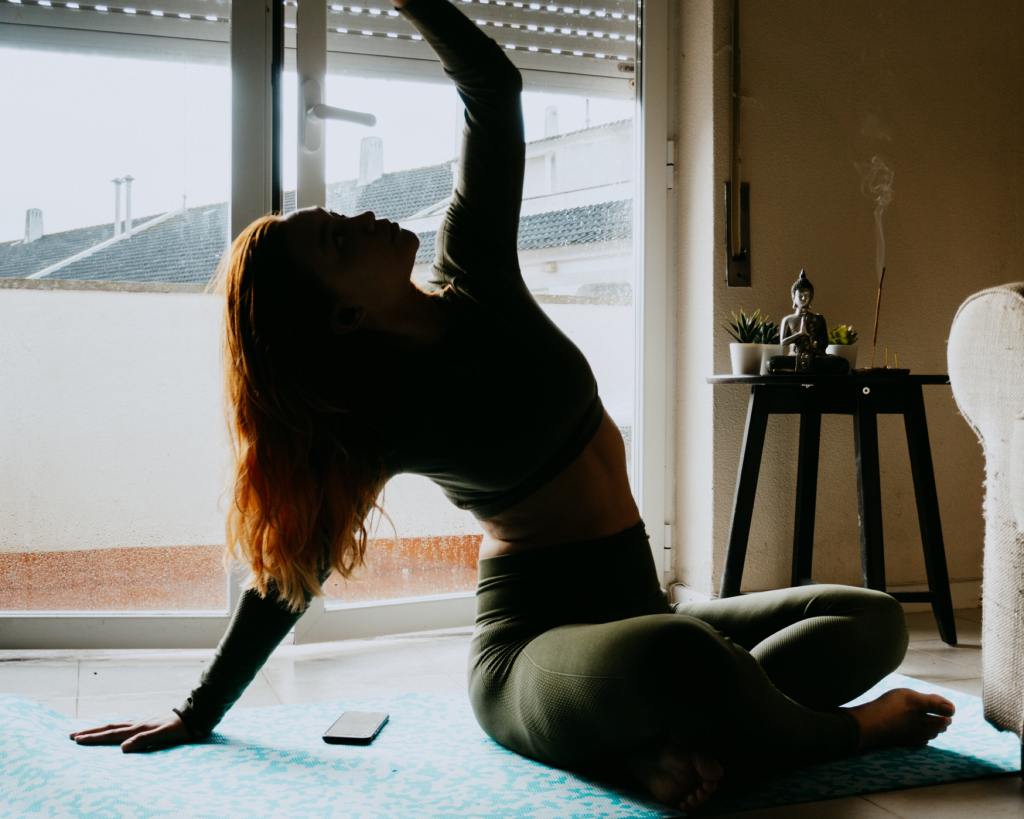
At about 3-4 weeks postpartum you can start to implement some gentle exercises. These exercises should be no more strenuous than the things you do in your everyday life. They will also encourage some low-level abdominal activation as you continue to work on your Connection Breath and reconnect to your core. Some examples of these movements can include pelvic tilts and knee rolls lying on your back (bent knees), bridge exercises, clamshells, and heel slides. You can also implement stretching and mobility exercises, especially for the neck, shoulders, upper back, chest and hips. These are the muscle groups that will likely be the tightest from long periods of sitting and frequent feedings (irrelevant of whether you are breastfeeding or bottle-feeding). If you have delivered via C-section please note that these timelines will be pushed back a little bit (usually the recommendation is about 2 weeks, however, this will vary from one individual to the next).
Once you reach the 6-week mark and have received clearance from your health care provider you can begin incorporating strength training 2-3 days per week depending on your time available and energy level. These strength training sessions should begin very basic incorporating mostly body-weight exercises and light resistance (bands or very lightweight) for the upper body. Ideally, it is best to work with a pre/postnatal certified coach during this time. There will be certain exercises that should be avoided in this early postpartum stage and these exercises will vary from one person to the next based on their exercise history, as well as how their postpartum healing experience is progressing.
Remember that postpartum recovery time frames will vary greatly so be patient with yourself and ensure that you are working with a pre & postnatal coach to help you fit your goals and your fitness routine into your life. If you are able to connect with a pelvic health physiotherapist they can also be of great assistance on your postpartum healing journey.
 ashleepedlowcoaching.ca