
Over the last 40 weeks your body has done something amazing and incredible, a miracle if you will. It has grown and birthed a human being, but now what. Your body has gone through some dramatic and miraculous changes over the course of your pregnancy, but not everything just bounces back to normal after your beautiful baby is in your arms. And considering the fact that it took 9 months for these changes to take place we can’t expect things to bounce right back and everything to be as it was before. Remember that labour and delivery are significant and traumatic events for the body and we need time to heal and recover after all of that.
Today, I want to touch of what happens to your body after you give birth. I’m hoping that this will help to stress the importance of recovery and why you should be taking your rest seriously after giving birth as much as you can. Always remember what your body just did, it is an incredible, beautiful and difficult, and even after baby has arrived, your body will still continue to change for many days, weeks and even months.
Immediately after birth you will still have a belly and this is completely normal. When you carry a baby it lives inside your uterus and that uterus is usually quite small (about the size of a fist) when you are not pregnant. Obviously over the course of your pregnancy as the baby grows the uterus expands to a much larger size. The abdominal muscles and skin that lay over top of the uterus (your belly) will also stretch and increase in size. It takes 9 months for this growing and stretching to occur so it makes sense that it doesn’t just immediately rebound. It takes time for the uterus to get back down to its pre-pregnancy size so be sure to give it time to get there and don’t rush this process.

Following delivery you will immediately lose about 10-13 pounds of the weight you have gained throughout pregnancy. This consists of the weight of the baby, placenta and the amniotic fluid. For the first 24 hours (perhaps longer) you will still be carrying excess water weight. After delivery you will slowly start to shed this water weight through urination and sweating (night sweats are common after birth). If you have had a C-section you may also notice extra swelling throughout your body due to the IV fluids you received during the procedure. Excess water weight is normal and your fluid levels will begin to decrease after birth but be patient as it will not happen immediately.
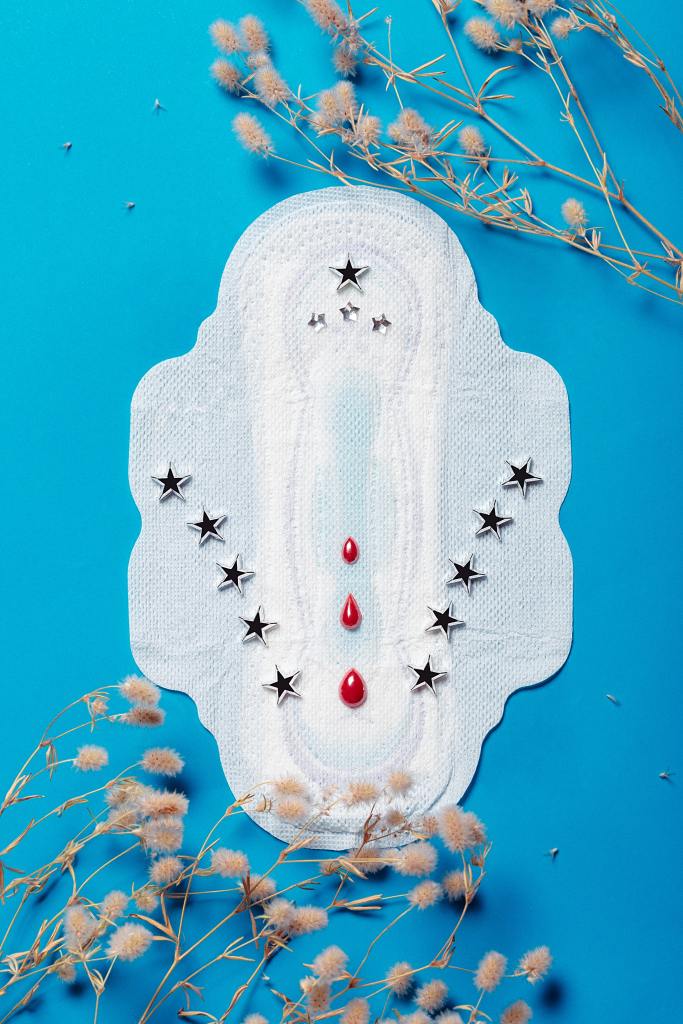
You will also experience bleeding or a vaginal discharge after birth. This discharge is called lochia and consists of leftover blood, mucus and sloughed off tissue from the lining of the uterus. Essentially there will be a scab inside the uterus and this is part of the healing process for it. This in particular is one of the reasons that rest and recovery are so important after birth. You are healing, but you aren’t able to directly see it, so it’s easy to forget. Try and remind yourself of this scab any chance you can to help yourself remember the importance of rest. For many women this bleeding will be quite heavy in the first 3-10 days post delivery. This is normal and it will start to taper off after a couple of weeks. You may also notice sudden gushes of blood or blood clots which again is normal. Keep a supply of pads and liners on hand during this time.
Pelvic cramps will be another normal experience post delivery. After your baby is born your uterus starts to tighten and return to its pre-pregnancy size. This tightening and contracting is known as after pains. They will be more noticeable when you are breastfeeding as oxytocin is released during this time. Oxytocin is the hormone that causes contractions to occur. Remember that these after pains are short lived, normal and the most noticeable contractions should subside within a week of giving birth.
You will experience soreness after delivery, this is your body’s way of telling you to focus on rest and recovery (as well as keeping that little one thriving). If you delivered vaginally your perineum (the area between the vagina and rectum) will be stretched, swollen, bruised and possibly torn. If you needs stitches to repair the perineum then it may even be uncomfortable to sit down. You can try using a squirt bottle with warm water to clean up after going to the bathroom instead of wiping and you may find relief from placing ice packs or pads with witch hazel on the area. If you are recovering from a C-section (which is major abdominal surgery) you will likely have soreness around the incision site as well. Be sure to follow the instructions from your care provider around pain relief when recovering from a C-section. The pushing involved in delivering a baby may also cause a sore rectum and hemorrhoids which can lead to uncomfortable bowel movements in the postpartum stage. Hemorrhoids are painful, swollen veins in and around the anus that may hurt or bleed. Be sure to drink plenty of water and eat high fiber foods in order to get your bowels functioning optimally. Try not to strain when having a bowel movement. You can also try hemorrhoid cream or just soaking the area in warm water 10-15 minutes a few times per day.

You may have noticed during your pregnancy you experienced changes to your breasts and changes are likely going to continue into the postpartum period as your breast milk starts to come in. As you and baby work on perfecting the latch you may experience sore and tender nipples. Working with a lactation consultant early on can help you get the latch right. You can also check with your healthcare provider about cream to help relieve sore and cracked nipples. As your milk comes in your breasts will swell and may feel tender and sore. This usually happens a few days after giving birth. Often this discomfort goes away once your are breastfeeding regularly. If you are not breastfeeding, this swelling (engorgement) may last a few days until your breasts stop making milk. If you are breastfeeding be sure to try not to miss a feeding or go too long between feedings. You can take a warm shower before feeding or express a small amount of milk with a breast pump or by hand. Laying warm towels on your breasts can also get milk flowing and ice packs may be helpful if engorgement is painful. If your breasts stay swollen and painful be sure to speak with your healthcare provider.
It is also completely normal post delivery to experience emotional highs and lows in the first days and weeks. There are a lot of changes going on during this time that can trigger mood swings including hormonal changes, physical discomfort, adjusting to caring for a newborn and lack of sleep. Ensure that you are giving yourself time to adjust and asking for help when you need it as well as resting when you can. If you continue to feel down for more than about 2 weeks or you feel like you can’t take care of your baby communicate with your partner and your healthcare provider. While it is normal to experience these mood swings in the early days postpartum, if this goes on for longer periods of time or becomes overwhelming you may need to seek treatment for postpartum depression.

As you can see even after you have given birth your body is still undergoing some pretty significant changes that can be both physical and emotional. Be sure to tune into your body and if you feel like something is wrong don’t be afraid to speak up to your healthcare provider. Also don’t be afraid to ask for help when you need it and give your body the time it needs to heal and recovery. Pregnancy, labour and birth are significant events on the body and come with significant changes. Remember to give yourself grace and time to heal as you adjust to your beautiful new reality.
As always if you have any questions or are interested in coaching no matter where you are on your motherhood journey please reach out. We can work together to design a program that works in your lifestyle no matter where you are on your recovery journey.
 ashleepedlowcoaching.ca