
Pelvic floor health…it is a topic that is not talked about nearly enough and is often one that doesn’t come up until women talk of pregnancy or postpartum. Before I started my research dive into the world of pre and postnatal health and fitness it wasn’t something I knew much about (and believe me when I say I still have a lot to learn). Yes, I had heard people talk about Kegels before, but that was about the extent of it…and to be honest with you the term pelvic floor health was never really mentioned even when Kegels were.
The pelvic floor is an important part of overall health and quality of life (whether you’ve been through pregnancy or not). The pelvic floor is composed of muscles and connective tissue that sit inside the pelvis. It has a variety of functions including bowel and bladder control, sexual pleasure, internal organ support, and more.
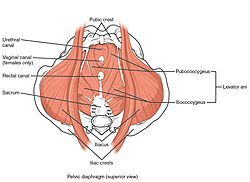
The pelvic floor muscles constrict the urethra, vagina, and anal canal to control bowel and bladder function. Good bladder and bowel control depend on the function and the pelvic floor muscles including both contraction and relaxation of these muscles. It’s important to note that too much strength in the pelvic floor muscles can negatively impact daily activities (we will talk a bit more about this below).
The pelvic floor muscles also provide a supportive hammock for your internal organs. They quite literally keep your organs from falling out of your body. Therefore, if these muscles are not functioning at the highest level you may experience symptoms of prolapse (your organs descending to places where they shouldn’t be). The position, activity, and integrity of the pelvic floor muscles will impact this. Damage to the pelvic floor muscles or connective tissue may occur due to birth, surgery, trauma, or radiation. If these muscles are weak or damaged maintaining support for the internal organs may become more difficult.
The pelvic floor muscles are part of what is called the deep stabilizing system of the body. This system is composed of the diaphragm, transversus abdominis, multifidus (muscles in the low back), and the pelvic floor muscles. An easy way to envision this system to visualize it as a can (the core canister if you will). The diaphragm forms the top of the can. The abdominals and multifidi for the circular part of the can and the pelvic floor forms the bottom of the can. This core canister plays a role in stability and posture in the body.

Finally, the pelvic floor muscles can be affected by pain, emotions, and stress. When you are stressed you may clench your fists or your jaw and these reactions can also occur in the pelvic floor. Excessive squeezing of these muscles may lead to pain in the perineum, pelvis, or low back. This means that dealing with stress appropriately can also be positive for your pelvic floor.
The pelvic floor muscles respond to the load that is placed on them (like any other muscle in the body would). To give you an understanding of how this system works and an understanding of how your pelvic floor can be impacted I want to go back to the core canister analogy I mentioned above. When you breathe in the diaphragm (top of the canister) sinks down (imagine punching the top of the can in). This causes intra-abdominal pressure (pressure in the can) to increase. If the pressure in the can increases, then what happens to the bottom of the can? Well, it has to withstand more pressure, or it has to also descend. Remember the bottom of the can is your pelvic floor, so when you inhale your pelvic floor undergoes an increase in pressure and descends (ie. relaxes). The opposite happens when you exhale. All of this is normal functioning of the core canister when you are breathing at rest.

During pregnancy, the pelvic floor will experience increased strain due to the extra weight of the baby. This can’t really be avoided and is usually most evident in the third trimester. Women who experience urine/feces leakage during pregnancy will often start to experience it in the third trimester as baby continues to grow. This doesn’t happen for everyone, but it is fairly common. This is why strengthening the pelvic floor is helpful before, during, and after pregnancy. The second thing to consider during pregnancy (and possibly even not during pregnancy) is that some women rarely allow their abdominal muscles to relax. Basically, this means you are not allowing your nice deep breaths to fill your belly and for your belly to expand as a result. When this happens the pressure inside the can pushes out the bottom (pelvic floor) instead of out the sides (belly) increasing the overall pressure on your pelvic floor. So now you have baby pushing on your pelvic floor and unnecessary pressure from not breathing properly pushing on your pelvic floor which can increase your risk for pelvic floor dysfunction.
Pelvic floor dysfunction may occur only during training sessions for clients or at any time of the day. Some signs of pelvic floor dysfunction include; increased frequency of urination (more than 6-8 times per day), leaking urine when coughing, sneezing, laughing, or exerting yourself in any way, not being able to make it to the bathroom in time, pain with intercourse or penetration, feelings of heaviness in the perineum, feeling of things “falling out” of the vagina or difficulty inserting a tampon. During exercise, the most common presentations of pelvic floor dysfunction are leaking urine, feelings of heaviness or bulging, and/or pelvic pain.
When strength training (at any point) the pressure in the can increases. When lifting during pregnancy or postpartum we also need to consider changes in weight distribution, posture, and connective tissue in order to maintain the proper function of this core canister system. Optimal pelvic floor function during pregnancy and postpartum begins with ribs over pelvis alignment. This is especially important during functional movements like squatting, bending, pushing and pulling. This alignment sets the muscles up for optimal contraction and coordination.
We also want to master the connection of your breath to your pelvic floor muscles. This can be done using the connection breath outlined below. This breathing technique will help you intentionally connect your core and pelvic floor while breathing and eventually you can bring this technique into your exercise training and everyday activities. Begin by learning this breathing technique lying down, then progress to seated then standing and finally bring it into your exercise and daily routines. You may notice when you start learning the connection breath that you tend to hold your breath or grip excessively through your pelvic floor muscles. It’s important that you not only learn how to contract your pelvic floor but also to relax it. To function optimally all muscles need to be able to contract AND relax fully. Think of a bicep curl. When you do a bicep curl you contract your muscle to curl the weight up and you relax completely at the bottom. Nobody walks around all day in a partial bicep curl, so I would encourage you to think the same way about your pelvic floor.
To prepare for the connection breath we first want to get the body in proper alignment. Ribs positioned over the pelvis and diaphragm positioned over the pelvic floor. Try not to tip the pelvis too far forward or backward. Imagine a string attached to the top of your head pulling you up towards the ceiling. This alignment makes it easier for your breath to flow and for better activation of the deep core system.
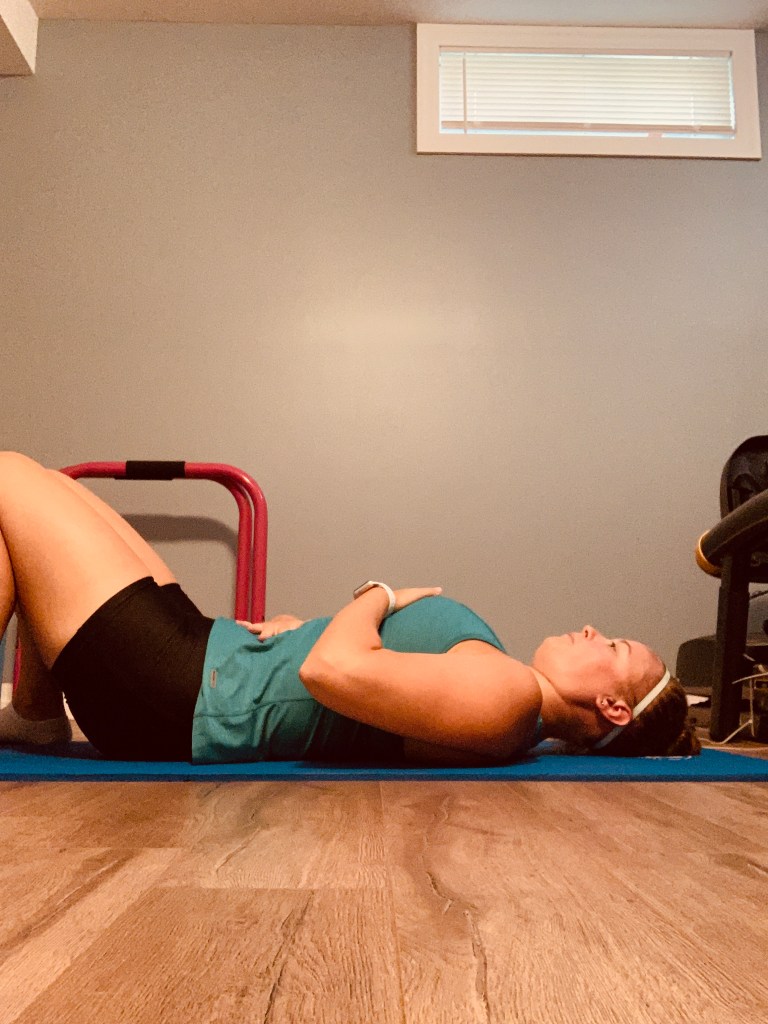
Start by sitting on a hard chair and adjust the flesh away from your bum. Remember good alignment and place one hand on your abdomen and the other hand on your rib cage. As you inhale breathe into both hands and think about filling your pelvic floor with air. On the exhale, notice your hands coming back in as your rib cage and abdomen deflate and image the pelvic floor deflating upward.

It’s important when performing this connection breath to fully release your pelvic floor in order for it to contract effectively. When you inhale you should feel like you are filling your vagina and anus with air and on the exhale you should feel a slight lift in your vagina and anus as if you were picking up a marble with your vagina. Continue to flow through these breaths and practice this breathing technique daily. Start with 1-2 sets of 10 breaths, it shouldn’t take more than 5 minutes each day.
If you are struggling at the beginning, focus on just the relaxation portion of this breathing pattern as this seems to be the tricky part. Eventually, you won’t have to think so hard about this breathing technique and it will automatically happen when you are exerting yourself in any way.
A final note: the information here is general in nature and only a beginning point. If you suffer from any of the pelvic floor dysfunction symptoms mentioned above I would recommend connecting with a pelvic health physiotherapist. They can help guide you through exercise modifications and help with pelvic floor dysfunction and any other musculoskeletal issues you may be experiencing (low back pain, pelvic pain, ect).
As always if you have additional questions please reach out and if you are looking for programming no matter where you are in your journey to motherhood please reach out.
 ashleepedlowcoaching.ca
6 thoughts on “Pelvic Floor Health…What You Need to Know”