Hey momma, how’s it going? How is your postpartum experience going? What do you love? What are you struggling with?
This is a time to rest and relax. Pregnancy, labour and giving birth are huge taxing events on the body and your body needs the time to heal. I know sometimes it can be hard but now is a time to soak it all in, be patient and let both your mind and body rest. You deserve it. It is a time to focus on loving and bonding with that little baby of yours and healing. Avoid comparing yourself to other women at this time. Everyone’s postpartum journey is different and just because you see someone else doing something doesn’t mean that your body is ready for it yet. Listen to and trust your body and soak up all the newborn snuggles.
The postpartum goals place an emphasis on improving alignment, balancing the tone of your core and pelvic floor, retraining motor patterns and increasing strength. All of this must be delicately balanced with rest and recovery to avoid over stressing the body.
During the postpartum phase it is important to rehab and retrain the deep central stability system (also known as the core and pelvic floor we keep talking about). This system is comprised of the pelvic floor muscles, the diaphragm, the transverse abdominal muscle and the multifidi (which are muscles in your lower back). Together these four muscles/muscle groups work together to stabilize your core and allow for efficient transfer of force from your lower body to your upper body and vice versa. This is a fancy way of saying that they are involved in pretty much everything you do.

Pregnancy can lead to significant posture changes. The increase in weight in the belly can cause the hips to tip forward which can increase the curve in your lower back. This can lead to short and stiff lower back muscles and lengthened and weak glute and hamstring muscles. The abdominal muscles have also likely stretched and the ligaments and joints in the pelvis have relaxed. With the expansion of the uterus the diaphragm (your breathing muscle) isn’t able to function properly (hello short, shallow breathing) and your rib cage may flare up. Remembering again that there is no universal correct posture but that we would like to strive for the ribs to be over the pelvis and the diaphragm to be over the pelvic floor. A major goal postpartum is to work at re-establishing this posture, especially when it comes to exercise. This is why working at this stuff pre-pregnancy and during pregnancy can be helpful. Although the postpartum journey still includes these things you will be ahead of the game! With that being said, if you are just joining postpartum you can start working on these things now, just know that it might take a bit more time so be patient with yourself!
A strong and balanced core and pelvic floor can help decrease your risk of pelvic floor dysfunction, urinary incontinence and pelvic organ prolaspe (stay tuned, we will be talking in more detail about this stuff in upcoming blog posts). Strength in your core and pelvic floor will also help you feel strong and more supported both in your exercise training and your daily activities. Although strength in the pelvic floor is key it is also important to learn how to relax your pelvic floor as well. Many women have what is referred to as a hypertonic pelvic floor (which means that your pelvic floor muscles are always activated). Learning to fully relax your pelvic floor will help you to be able to achieve full contraction of it. This illustrates the importance of both strengthening and relaxing the pelvic floor. Learning to control the pressure of forces through this stability system (diaphragm, pelvic floor, transverse abdominals and lower back muscles) will help you learn how to optimally coordinate the entire system and provide good support during both exercise and daily activities.
Because pregnancy and birth are such big events for the body we break down your postpartum journey into 3 different phases. Phase 1 is rehab and retraining, phase 2 is return to exercise and phase 3 is the bulletproof your body phase. I will discuss each of the phases and what they include briefly below.
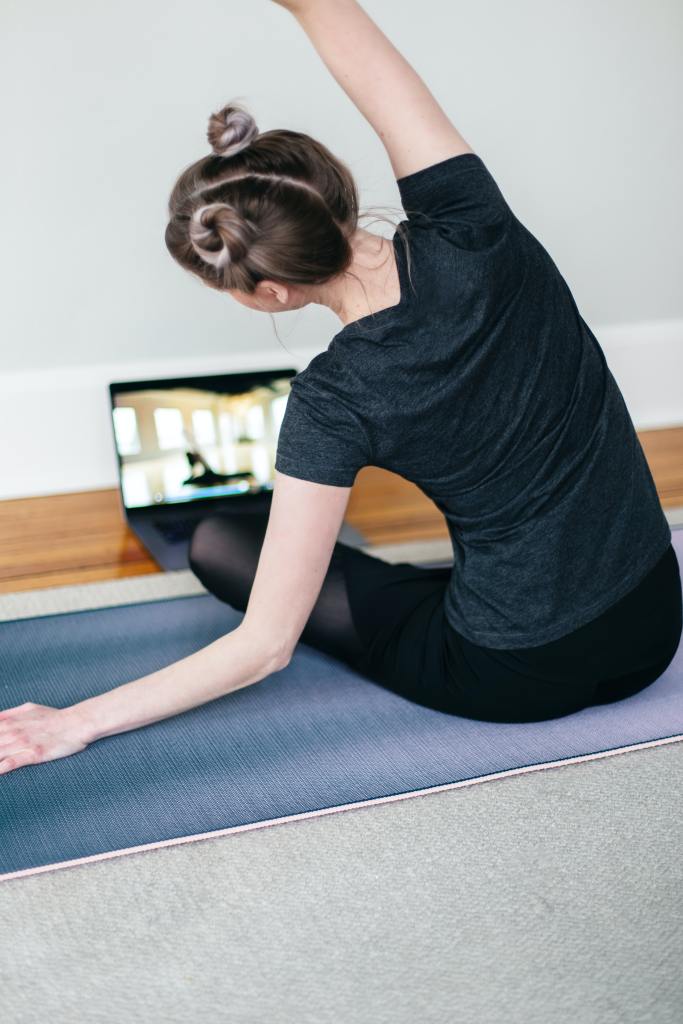
The rehab and retraining phase focuses on retraining the movement patterns of your core muscles. All of the movements in this phase are very gentle on the body. For some they may not feel like exercise at all and that’s okay. In this phase we will focus on retraining our breathing pattern, very gentle mobility and stretching exercises and some light walking for short periods of time (start with about 10 minutes). Be sure that the movement patterns, mobility and stretching exercises you are moving through feel good to you. Exercise ideas could include hip flexor stretches, glute bridges, and chest opening stretches. These exercises can be done daily during this phase but ensure you are listening to your body and still resting as much as possible.
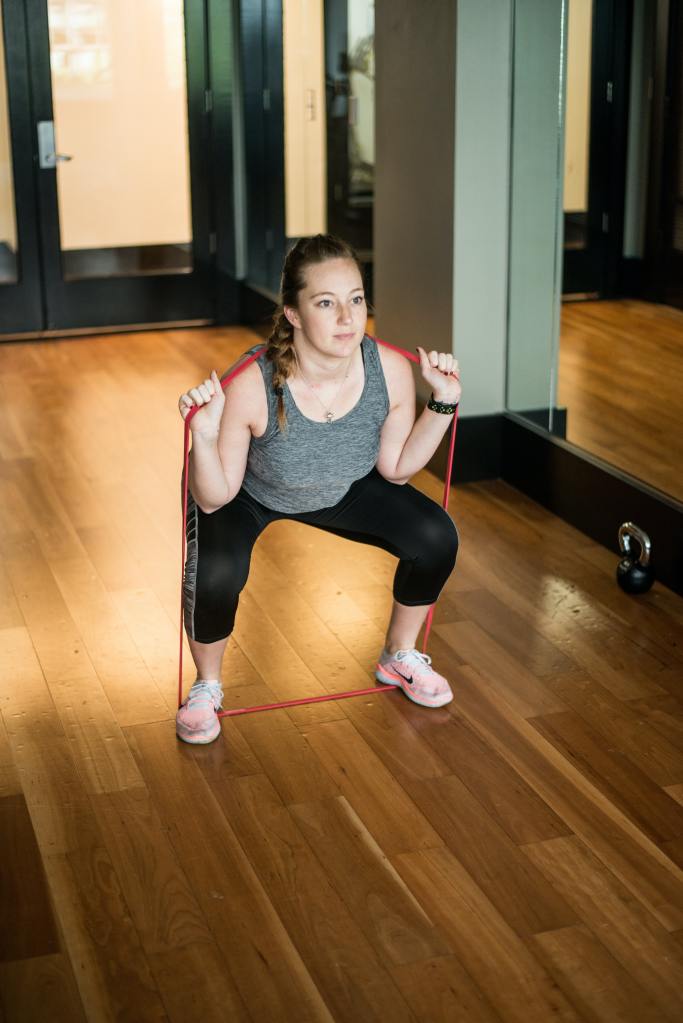
The return to exercise phase helps you progress and transition safely into more intense exercise. When moving into this phase we want to ensure that you are pain free and not experiencing signs of pelvic floor dysfunction. Ensure you are listening to your body before progressing. If you don’t feel ready yet, continue with phase 1. We also want to ensure before moving into this phase that you have been cleared by your doctor for exercise. In this phase we will begin to introduce full body strength training exercise and will continue with walking. We can gradually increase the length of walking time during this phase to 45-60 minutes (listen to your body and break these sessions up into multiple shorter sessions spread throughout the day if you need to). The strength training exercises we are using in this phase are intended to not exacerbate diastasis recti or place excessive downward pressure on the pelvic floor. Example exercises could include squats, chest press or overhead press exercises. Strength training exercises can be performed 2-3 times per week.
A note on diastasis recti. This has become something that women fear in pregnancy in recent years and everyone is looking for ways to prevent it. Diastasis recti is a normal part of pregnancy and almost all women will experience it to some degree but the severity will differ from woman to woman. A pelvic health phsyio can also be helpful in helping you rehab your diastasis. Watch for more to come on this topic as well!
Phase 3, the final phase of your postpartum training program will see you increase your workout frequency and intensity. You should be feeling stronger and more stable now and if you feel ready you can start to introduce higher impact exercise options again. Remember that you do not HAVE to introduce these exercises but the option is there if you are ready. If you are beginning high impact training be sure to monitor your body for symptoms like incontinence, prolapse, and pelvic pain to ensure that you are not suffering from pelvic floor dysfunction. Remember that high impact exercises place more stress and pressure on the pelvic floor. Exercises here could include squats, deadlifts, lunges, chest press and more. Strength training can be performed 2-4 times per week. Moderate and/or high intensity cardio training can also be implemented 1-2 times per week.
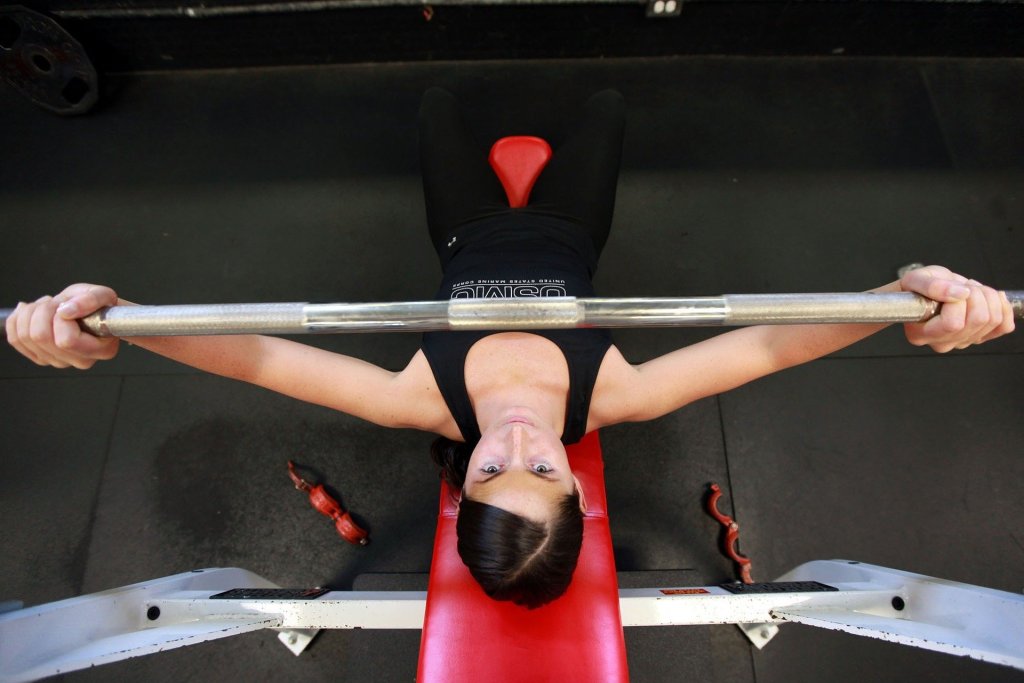
Remember that the guidelines here are very basic and may not be suitable in all situations. If you want more individualized and tailored programming please reach out to a Pre & Postnatal Certified coach. You can contact me here. Exercise programming should always be designed to fit into your schedule and lifestyle as well. If 4 strength training sessions per week doesn’t work for you then no problem, aim for 2 or 3. Not only should your training programs be tailored to you but they should also be tailored to your schedule as well.
I hope this series has been a helpful introduction to some of the basic concepts of exercise in the preconception, pregnancy and postpartum phases of life. Continue to follow the blog as we break these topics down even further and go into more detail in upcoming blogs. Most of the information here is a broad overview and very basic. If there are topics you are looking for specifically please reach out! See you next week!!
 ashleepedlowcoaching.ca