You walk in the door after a long day at work, the kids are hungry, you have 100 things to do and you forgot to take something out for dinner. Or maybe you are at home all day with a newborn and 2:00pm rolls around and you realize you haven’t eaten anything yet today. Maybe you have been chasing your little ones around while caring for a newborn and you have kept the kids fed but you realize at dinner time that all you’ve eaten today was a handful of chips, a few things off the kids plates and you haven’t drank any water. Can you relate?

Nutrition is easily one of the biggest challenges for most people when they start on any sort of health journey. If you look for nutrition information on the internet you will see diet after diet and “health” food after “health” food. You will see one camp telling you that carbohydrates are bad and you should avoid them at all costs, while another camp tells you that gluten is bad and another harps on the harm of dairy. So who’s right? What advice do you follow? How do you know what is good information and what’s not?
Instead of worrying so much about “good” and “bad” foods, today we are talking about 7 nutrition habits that you can start to implement into your life. Working on these habits can be a more effective way to develop sustainable nutrition practices, instead of committing yourself to a short-term “diet” or “fix”. Remember that you do not need to implement all of these habits at once. Start with Habit 1 and master that before moving on to the next one. If you are interested in additional information or one-on-one coaching please contact me and we can get started today.
Habit 1: Eat Slowly
Eating slowly is not an easy task in our go, go, go society. Who has time to sit down and focus only on eating anyways? But eating slowly can help you enjoy your food more and give you the opportunity to tune into your hunger and fullness cues. When you slow down your meals you are more likely to notice when you are full and stop eating (and odds are it’s likely sooner than you normally would). Try taking smaller bites of food or putting your utensils down in between bites to help yourself slow down. Engaging in conversation with others can also help you slow down your meal times. The reality is that you may not be able to do this at every meal and snack and that’s okay. When you have the opportunity (aim for once per day) try and slow down and enjoy your meal.

Habit 2: Eat When Hungry, Stop When Satisfied (Not Stuffed)
This is often a difficult habit to master at the best of times and it can be even more difficult during pregnancy. During pregnancy your hunger signals may change throughout the trimesters. You may find yourself feeling more hungry at one point and less at another. This habit also takes attention in order to master which is why slowing down can be helpful. With that being said, there are ways that you can start to notice your hunger cues and eat until you are satisfied. Pay attention to cues like a rumbling stomach, low energy, feeling nauseous or queasy, fatigue and loss of mental focus as these can all indicate hunger. Try stopping and savouring the food that is in your mouth. Be aware of how well you are chewing your food, what is actually in your mouth, what flavours you taste and what textures you experience. All of these things will bring more awareness into your eating experience and will help you better learn what satisfied feels like as opposed to stuffed.
Habit 3: Eat a Portion of Protein at Every Snack or Meal

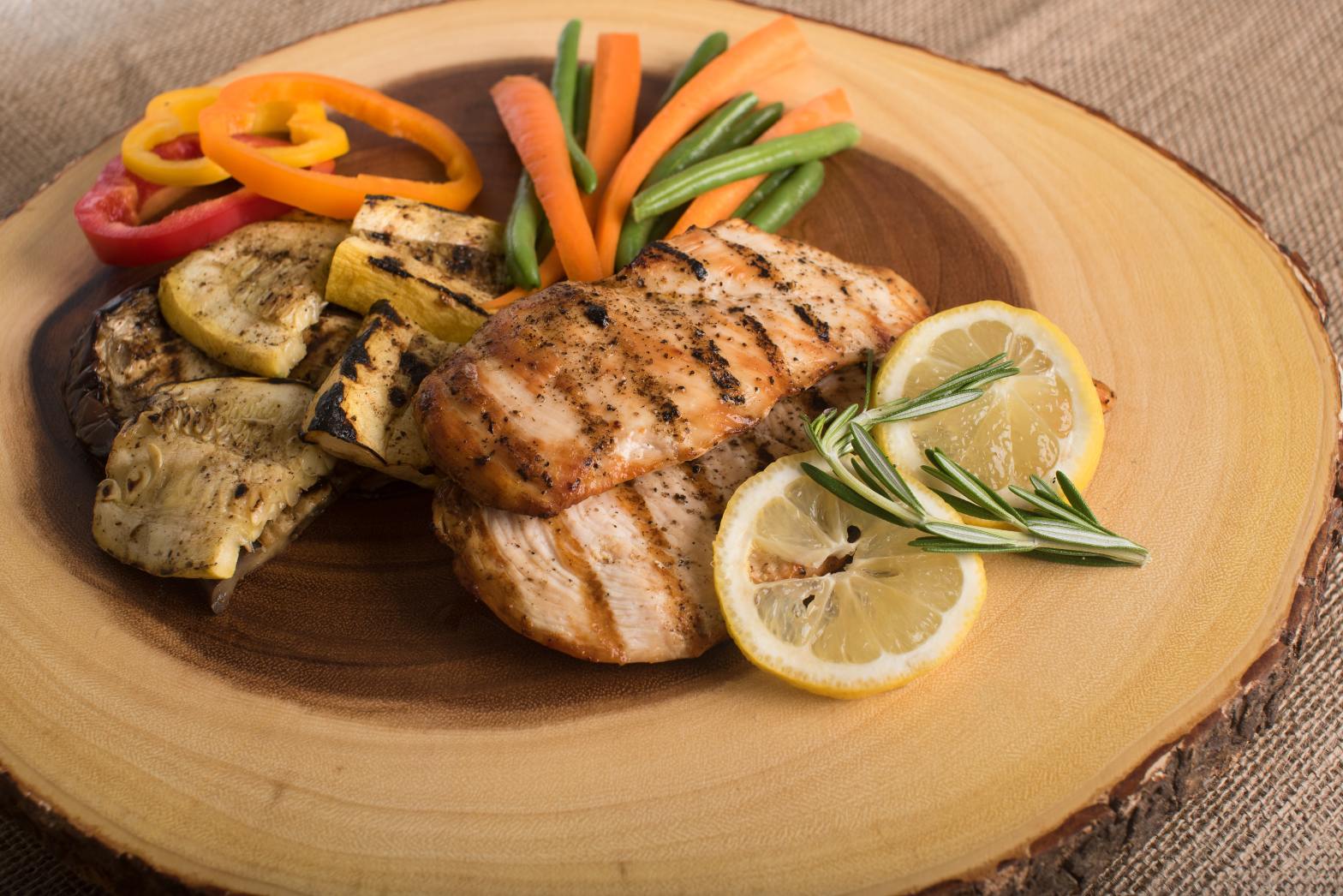
Protein helps you feel full and satisfied and is very important in maintaining healthy body functions. Aim to eat a full serving of protein (about the size of your palm) with each meal and a half serving with snacks. When planning your meals and snacks choosing your protein source first and building the rest of your meal around it can be helpful, especially if you are experiencing food aversions. Cooking protein like chicken, beef or turkey in larger batches can help make protein more accessible. You can also look for higher protein version of foods like Greek yogurt or cottage cheese to help increase your protein intake. If you are looking at protein supplementation be sure to consult with your doctor before doing so, but this may be a helpful option for some women.
Habit 4: Eat a Serving of Fruit/Vegetable with Every Meal or Aim for 5 Servings of Fruit/Vegetables Per Day

You probably get tired of hearing people tell you to eat your fruits and vegetables but they are so important to a healthy balanced diet. Fruits and vegetables contain many vitamins, minerals and antioxidants that are important for overall health. They are also high in fiber which can keep you feeling full and aid digestion. Buying pre-chopped, packaged or frozen fruits and vegetables can help you save time and may be especially helpful during pregnancy and postpartum when energy levels and time can be on the lacking side. If you are a smoothie fan, adding fruits and vegetables into your smoothies is a great way to get your servings in and they are fairly easy to consume if you are busy and on the go. Try roasting larger quantities of vegetables so that you always have some on hand. This is easy to throw on a salad or a grain (rice, quinoa, ect) and easy to pair with your batch cooked protein as well. Fruits and vegetables are also an easy thing to grab when you are busy and as an added bonus they are a great thing to give the kiddos you already have running around as a snack too! Don’t have time to wash and chop vegetables or fruit, try getting the pre-prepared trays from the grocery store, they can be a little more expensive, but they can save a huge amount of time and energy.
Habit 5: Eat a Portion of Healthy Fats at Every Meal

Healthy fats are so key in your diet. They are important for good brain function, help balance blood sugar, keep you feeling full, reduce cravings and are essential for absorption of fat soluble vitamins. A serving of healthy fats is about the size of your thumb and can be added to your diet with healthy oils, fish and nuts.
Habit 6: Eat a Portion of Carbohydrates at Every Meal

Carbohydrates are not the enemy! They are required to provide your body with energy and replenish energy stores when they are depleted. Eating your fruits and vegetables will go a long way with regard to choosing nutritional carbohydrate options. You can also look to whole grain options (bread, pasta, crackers, ect) and minimally processed options like brown rice, quinoa or sweet potatoes. These can also be prepared in large batches so they are easily accessible and on hand.
Habit 7: Drink Half of your Body Weight in Ounces of Water Each Day

Dehydration can affect your digestion, cognition, skin health, body temperature regulation and more. It can lead to headaches, tiredness and difficulty concentrating. Average guidelines recommend 3L of water a day for pregnant women and 3.8L per day for breastfeeding women, however half your body weight in ounces tends to be a bit easier for most women to remember. You don’t have to drink that much water as foods like fruits, vegetables and soups also contribute to your water intake. To increase your water consumption try keeping a water bottle handy at all times. You can also add lemon, lime, cucumber or other fruits/vegetables to you water and try drinking through a straw (you will usually drink more this way).
For more information on how to implement these nutrition tips into your lifestyle or for one-on-one coaching (virtual options are available) please contact me here to get started today.
 ashleepedlowcoaching.ca